
Lake Oswego Garage Door Guide
What Lake Oswego's Weather Does to an Older Garage Door
Lake Oswego homes built between 1964 and 2006 lose weather seals to freeze-thaw cycles. Here's what to check before draughts wreck your opener or panel.
- Licensed & Insured
- Same-Area Service Calls
- Upfront Pricing
What the Weather Here Does to It
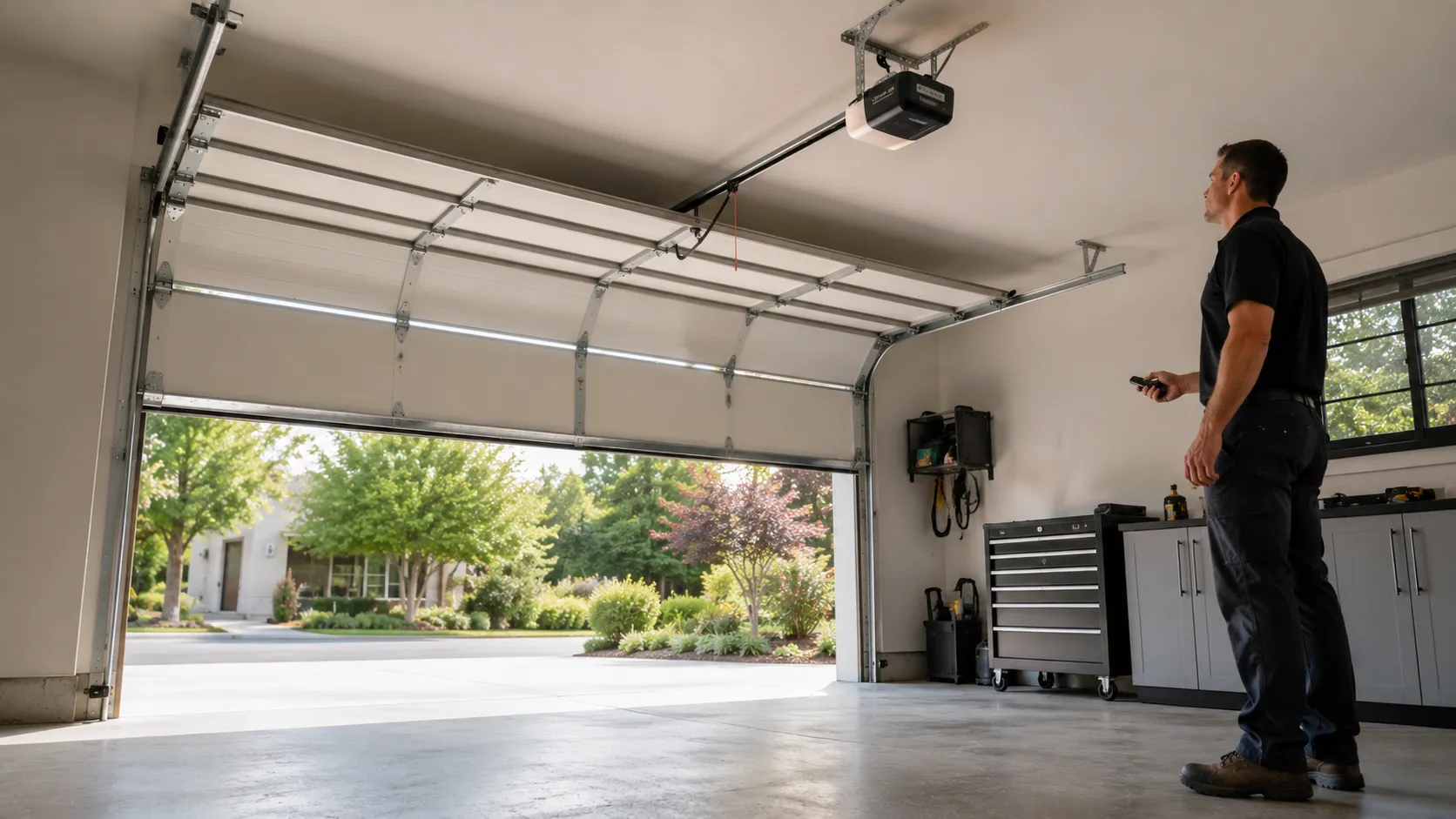
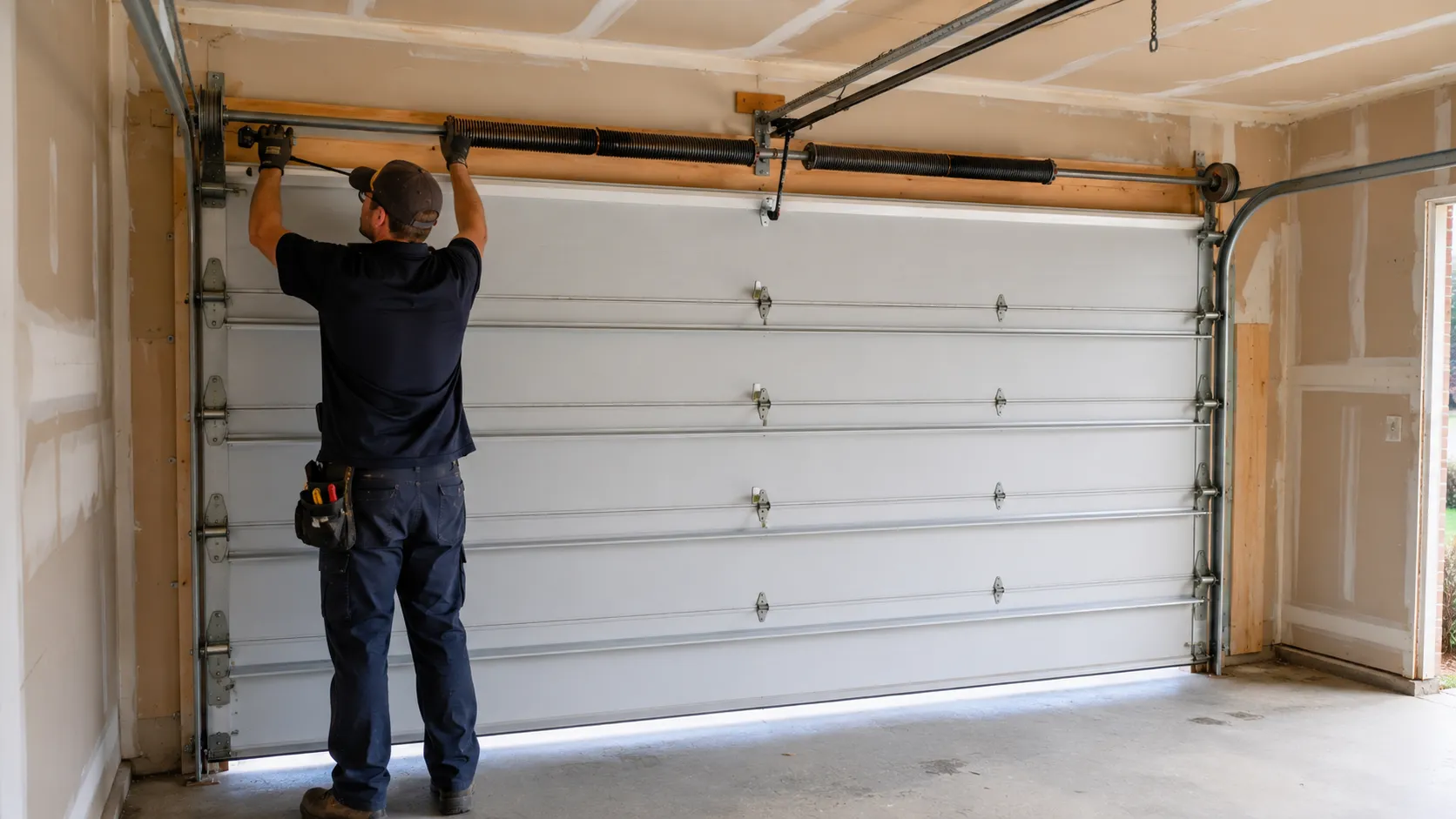
Lake Oswego sits in a cold-moderate climate band, which means the garage door on your house isn't dealing with extreme heat or hard freezes most of the year, but it is dealing with repeated cycles of damp cold followed by warm-up. That cycling is what wears out a weather seal. The rubber gasket along the bottom of the door and the vinyl strip on the sides both harden and crack faster under repeated contraction and expansion than they would in a steady climate.
Most of the housing stock here went up between 1964 and 2006, with the bulk of it built in the 1980s and 1990s, so a lot of these doors and their seals are original or close to it. A seal that's thirty or forty years old doesn't flex the way it did when installed. Once it cracks, cold air and moisture push straight into the garage, and if that garage shares a wall with living space, you feel it in the house.
Weather seals and draughts are the first thing worth checking before you assume the opener or springs are the problem. A door that closes fine but still leaks air is almost always a seal issue, not a mechanical one.
The Problem
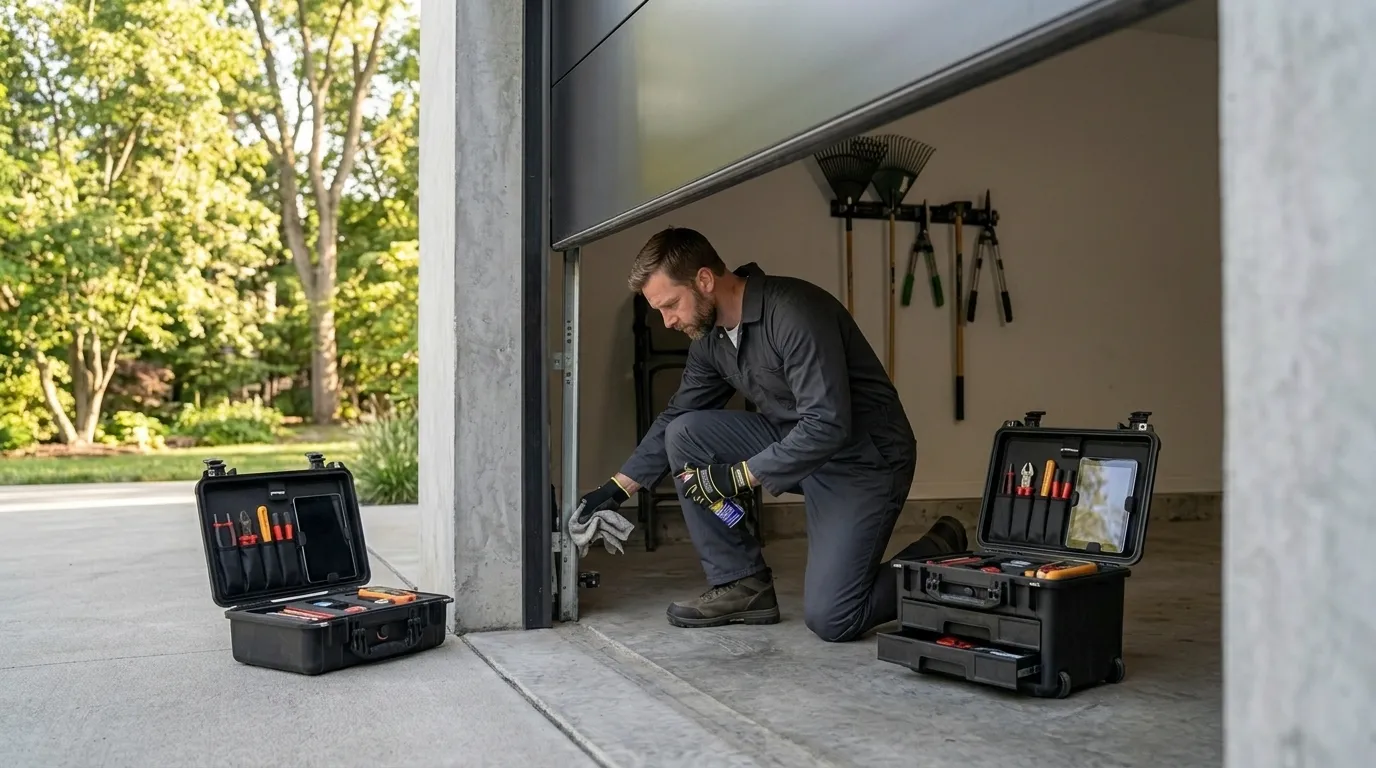
The problem shows up as a thin line of daylight or a draft you can feel with a flat hand along the bottom edge of a closed door. On 1980s and 90s builds especially, the original bottom seal was often a basic rubber bead set into a track that itself has weathered. Once that track corrodes or the seal shrinks, no amount of door adjustment fixes the gap, because the seal has physically lost material.
Side seals fail differently: they pull away from the jamb where staples or nails have rusted or backed out over the decades. On a house built in 1983, the median year for this area's stock, that's forty-plus years of freeze-thaw doing that slow work. The result isn't usually a door that won't open.
It's a door that works fine and still lets the garage run five to eight degrees colder than it should, which matters if you're storing anything temperature-sensitive or if the garage backs onto a bedroom wall.
What to Check
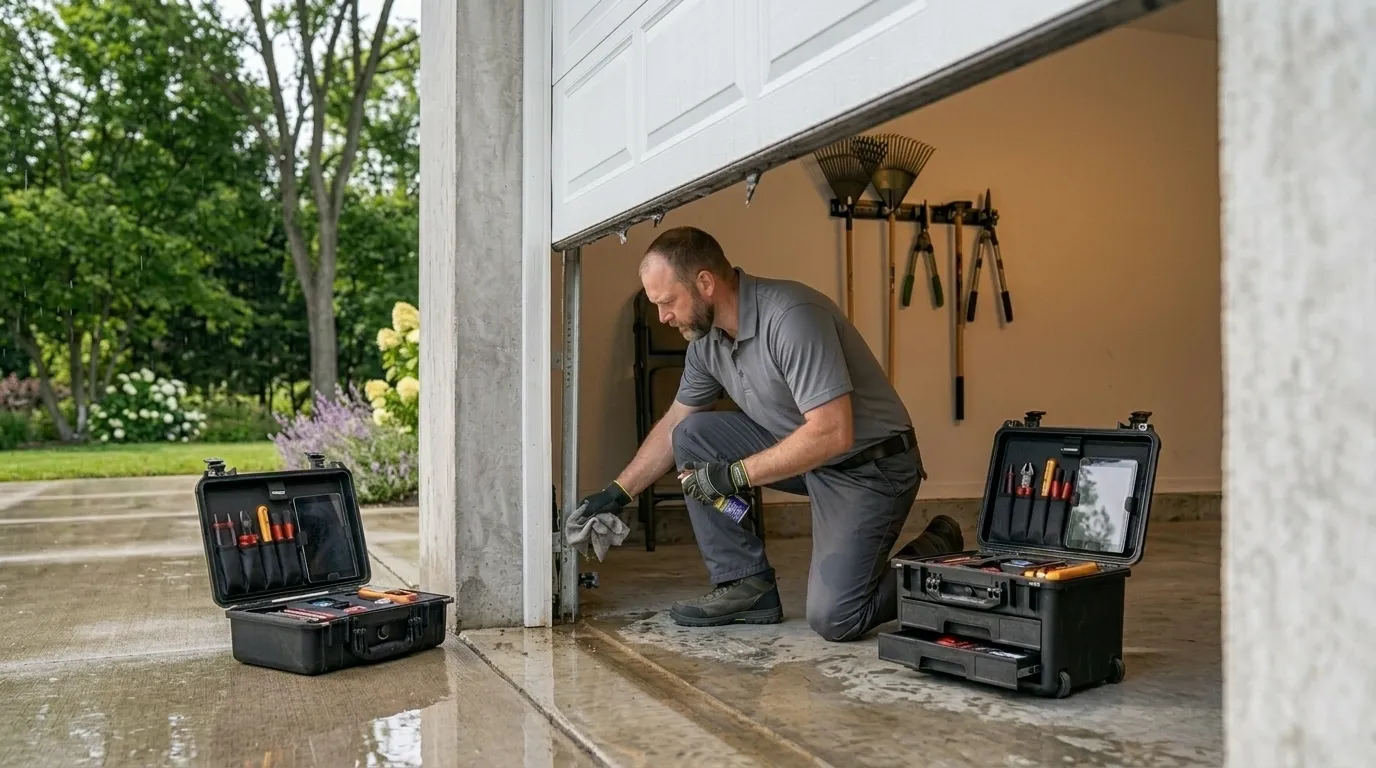
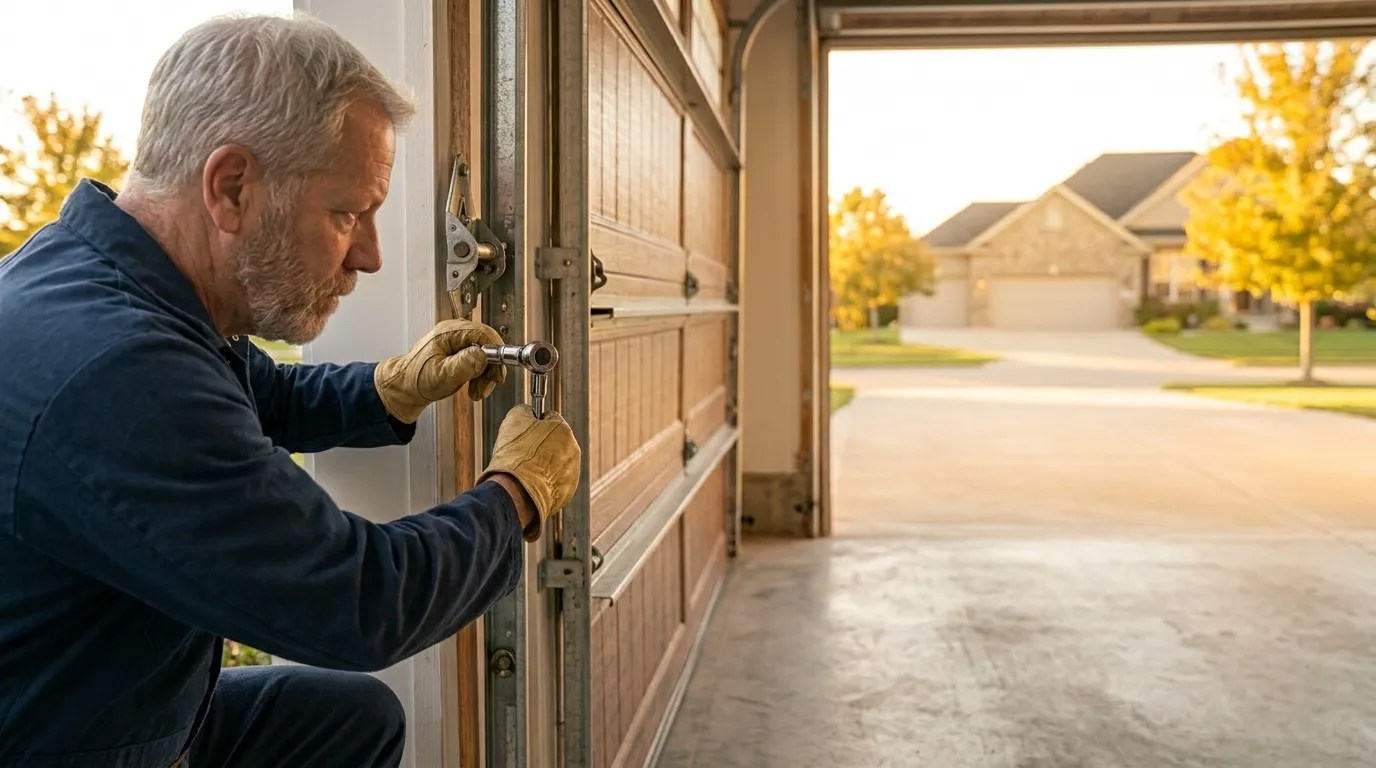
Start at the bottom seal. Run your hand along it with the door closed on a cold morning - if you feel air movement or see daylight through gaps, the rubber has likely hardened past the point of sealing. Next check the vertical seals where the door meets the jamb on both sides; look for gaps wider than a pencil, especially at the corners, which is where housing built before the 2000s tends to settle unevenly.
Check the weatherstrip at the top of the door too, since that's the piece owners forget. If your house falls in the 1964-2006 build range typical for this area, also look at the track and hardware for surface rust, since decades of cold-damp cycling corrodes exposed steel even without visible leaks. None of this requires taking the door apart.
A seal replacement is a straightforward parts swap in most cases, not a structural repair.
Leaving It Alone
Here's the honest part: a cracked bottom seal on its own won't strand your car in the garage, and plenty of owners live with a draughty door for years without real damage. What it does cost you is heat loss and, over time, moisture getting into places moisture shouldn't be - along the slab edge, into stored boxes, around electrical conduit near the floor. If your garage is unheated and unattached to living space, a leaky seal is a lower-priority fix.
If it's attached, or if you've noticed the wall between garage and house feels cold, it's worth addressing before winter rather than during it. We don't recommend replacing a whole door section over a seal problem - that's a case where the smaller fix is almost always the right one, and doors here rarely need full replacement just because the weatherstripping failed.
How We Can Help
Garage Door Repair
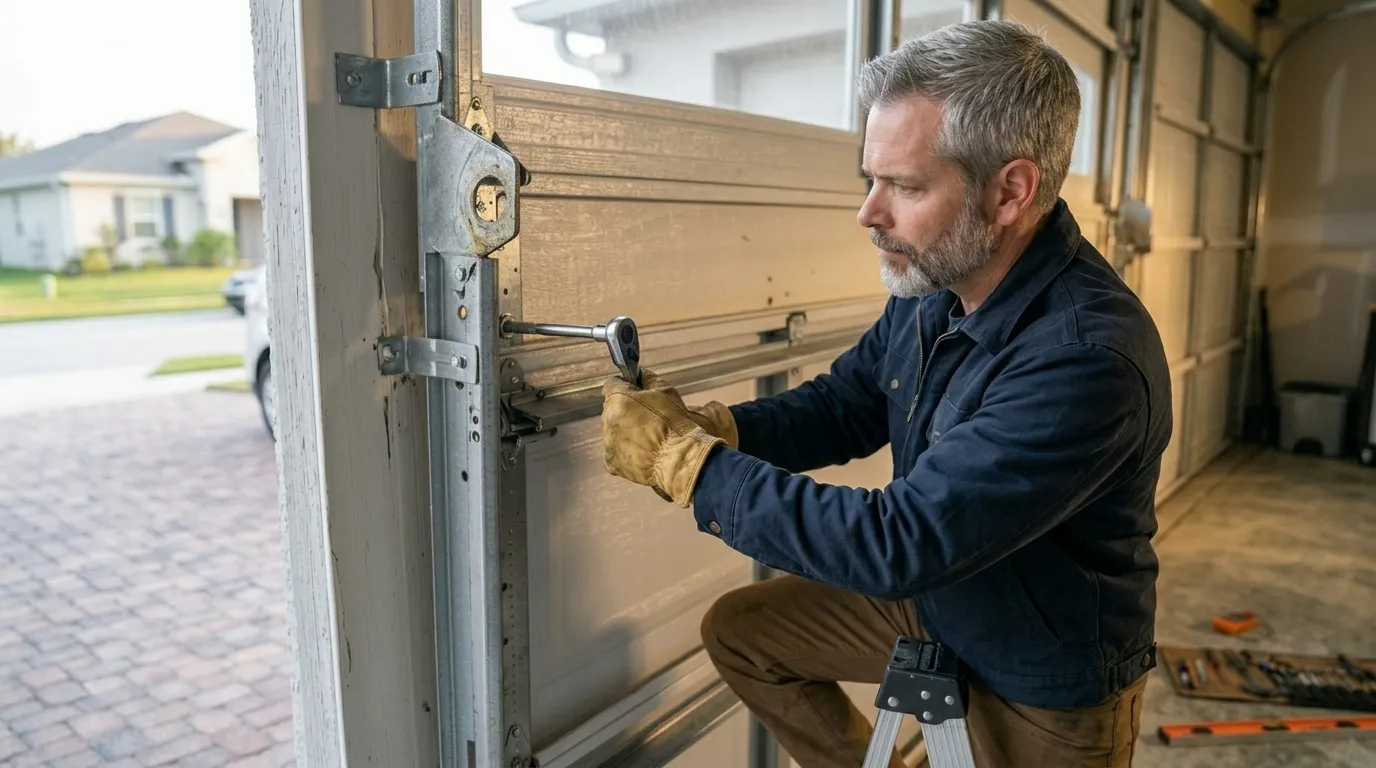
Springs, cables, tracks, rollers, and openers fixed by a tech who explains the problem before touching anything.
Learn more →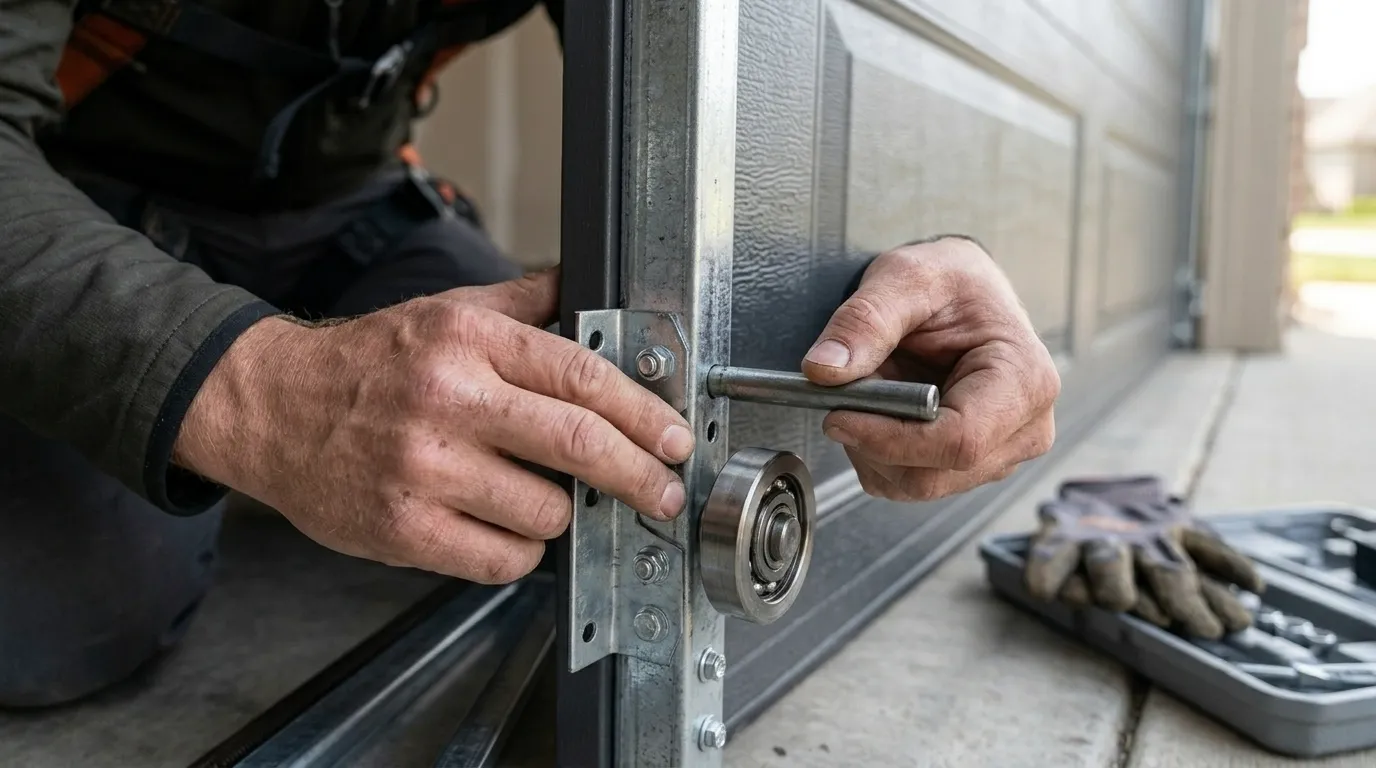
Garage Door Installation
New sectional doors sized and installed for the housing stock actually built in this area.
Learn more →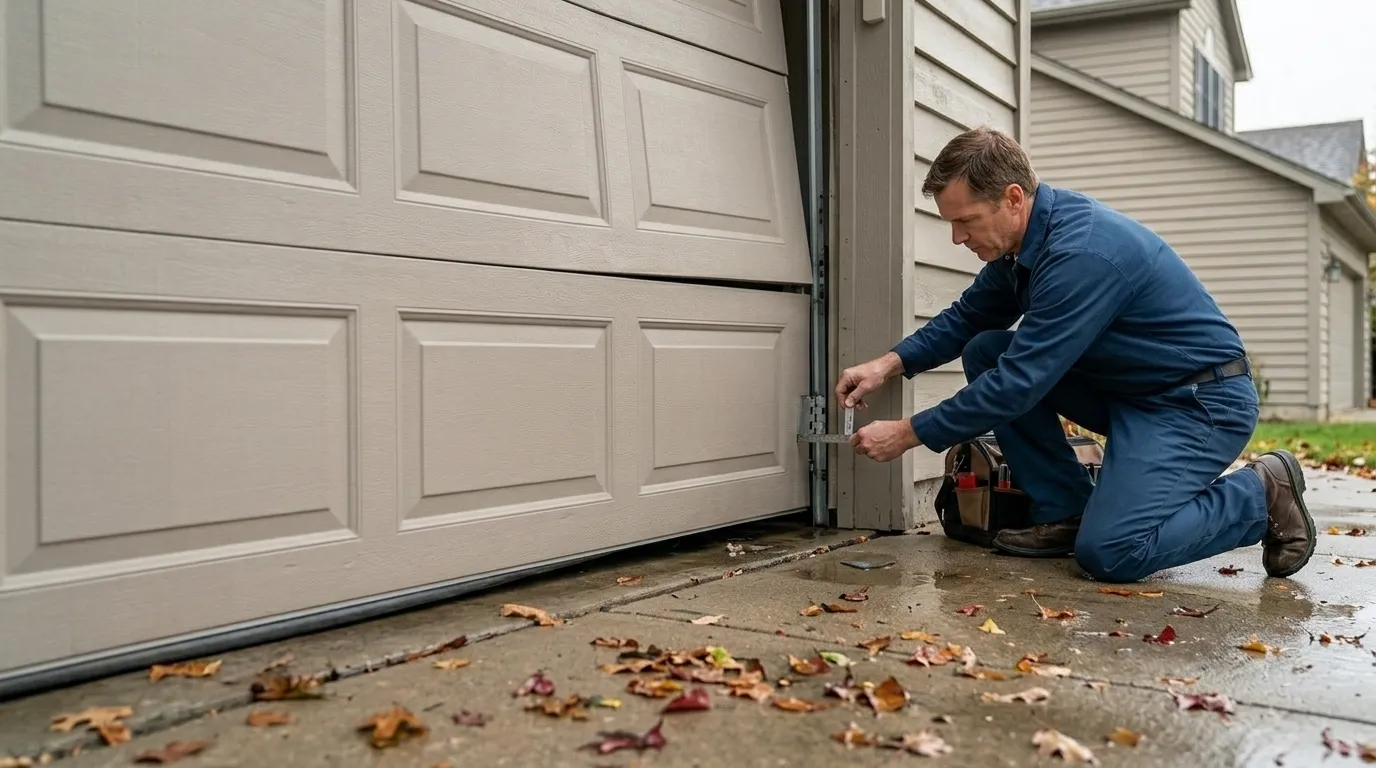
Garage Door Service
Tune-ups, lubrication, and safety checks that catch a small problem before it becomes a service call.
Learn more →Frequently Asked Questions
Why does my garage door only draught in winter?
Rubber and vinyl seals contract in cold and expand in warmth. Lake Oswego's cold-moderate climate puts them through that cycle repeatedly each year, and after enough cycles the material hardens and stops flexing back into place, leaving gaps that only show up once temperatures drop.
Is a draughty seal a sign of a bigger problem?
Usually not. A gap at the bottom or sides is almost always the seal itself failing, not the door, track, or opener. It's worth checking the hardware for rust while you're at it, since older installs common in this area can corrode without it affecting the seal.
How old are most garage doors in this area?
Housing here was mostly built between 1964 and 2006, with the median around 1983, so a lot of original doors and seals are forty years old or more. That's well past the useful life of a bottom seal, even if the door panel and opener still work fine.
Have a Door That Needs a Second Opinion?
Call and describe what it is doing - we will tell you what it likely is.