
Lake Oswego Garage Door Guide
What Cold Mornings Do to a Lake Oswego Garage Door
Lake Oswego homes built 1964-2006 hit cold mornings hard on torsion springs. Here's what the weather does, what to check, and when a repair isn't worth it.
- Licensed & Insured
- Same-Area Service Calls
- Upfront Pricing
What the Weather Here Does to It
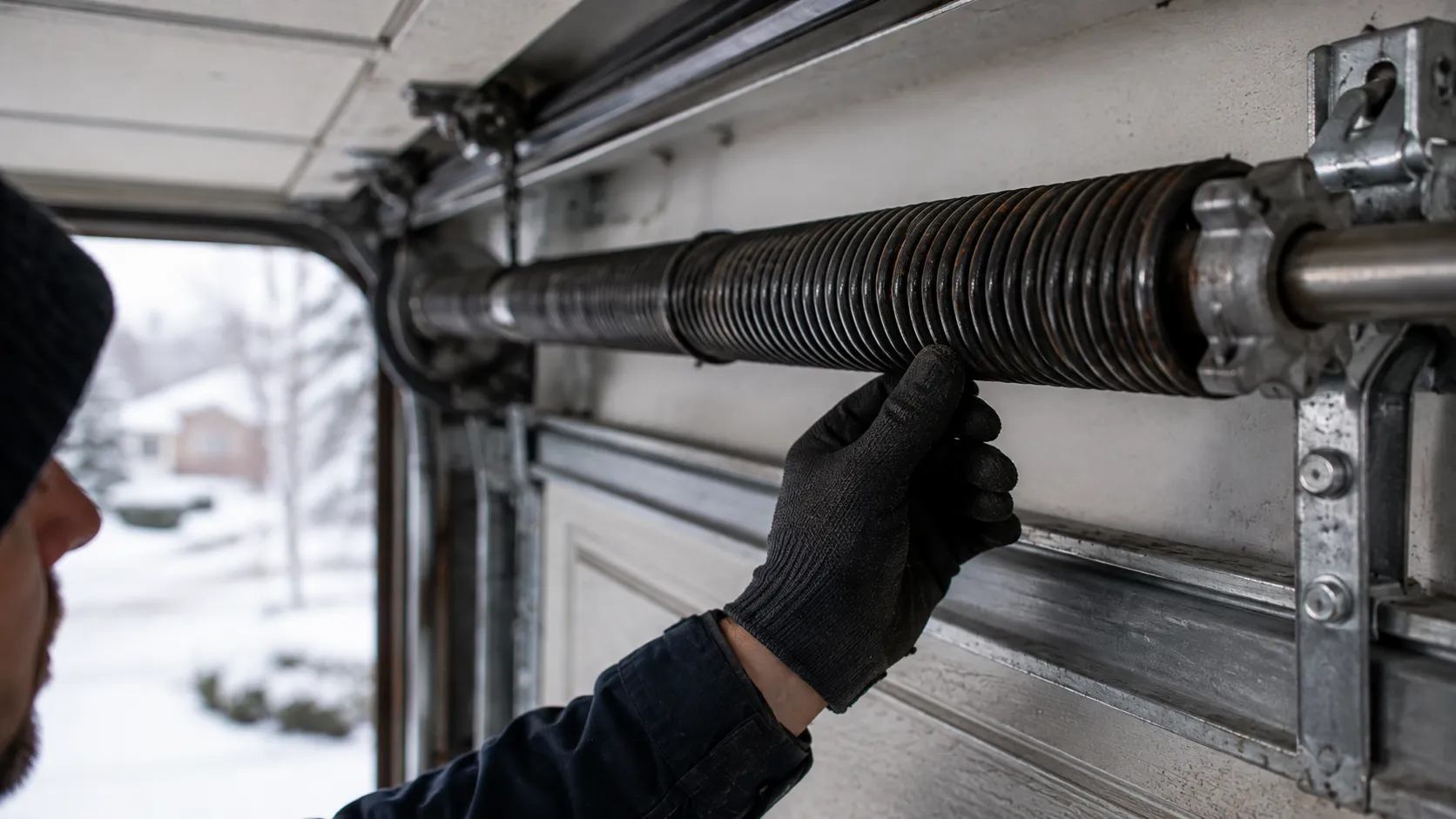
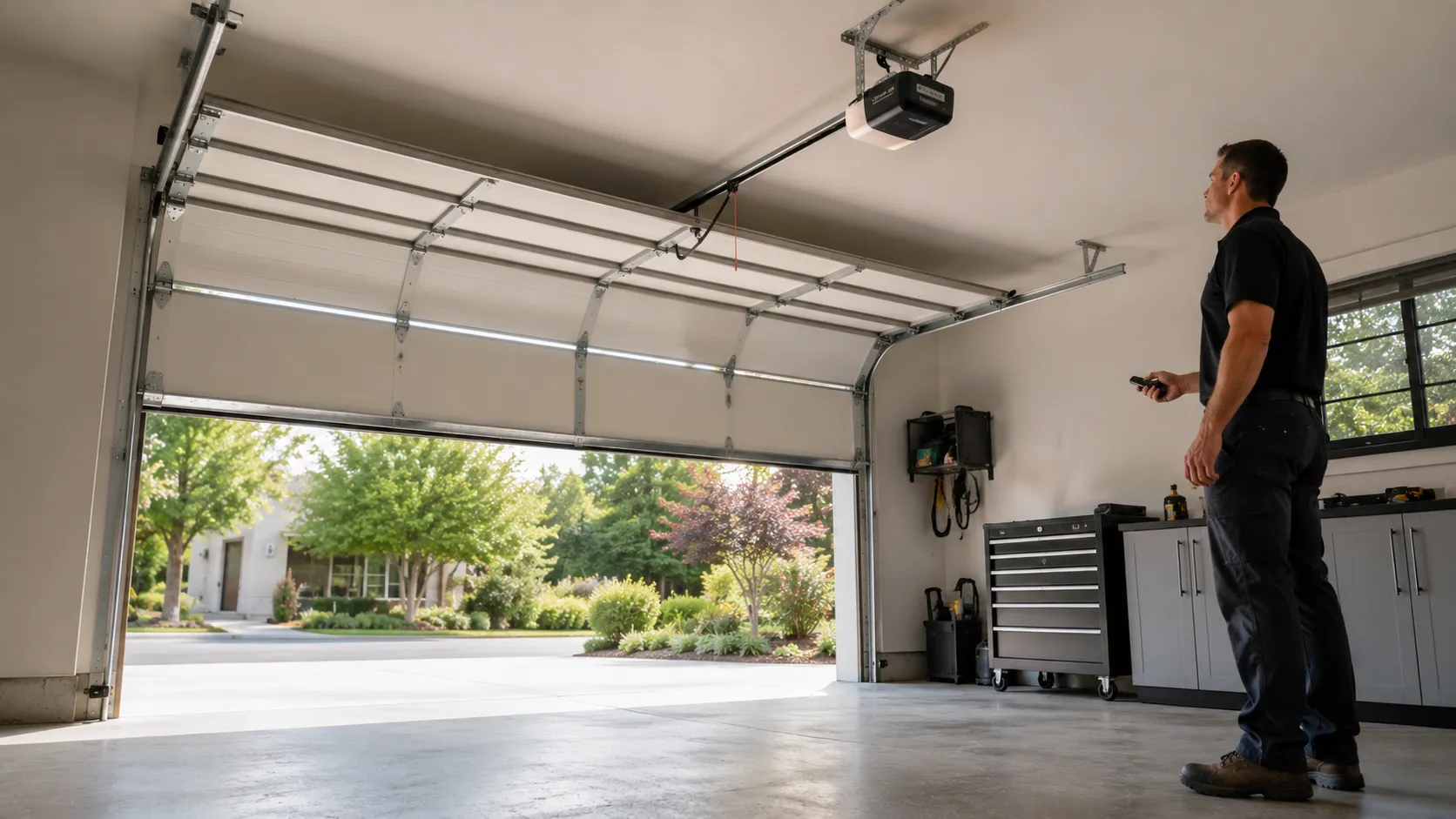
Lake Oswego sits in a cold-moderate climate band, which means winter mornings bring real temperature swings even without heavy snow. Steel contracts as it cools, and a torsion spring that's been cycling fine all fall will suddenly feel stiff or bind partway through its travel the first hard cold snap. This isn't a defect - it's what steel does.
The spring loses a little flex, the door feels heavier at the top of the lift, and the opener strains harder than it did in September. Most of the housing stock in this service area went up between 1964 and 2006, with a lot of it clustered in the 1980s and 90s across the 34 named areas we work in, from Palisades a mile out to farther neighborhoods like Sherwood and Cedar Mill. That means a wide mix of spring ages and wind counts, all of them subject to the same seasonal contraction.
A door that's marginal in October can become an emergency call in January, not because anything broke overnight, but because cold finally caught up with a spring that was already near the end of its cycle count.
The Problem
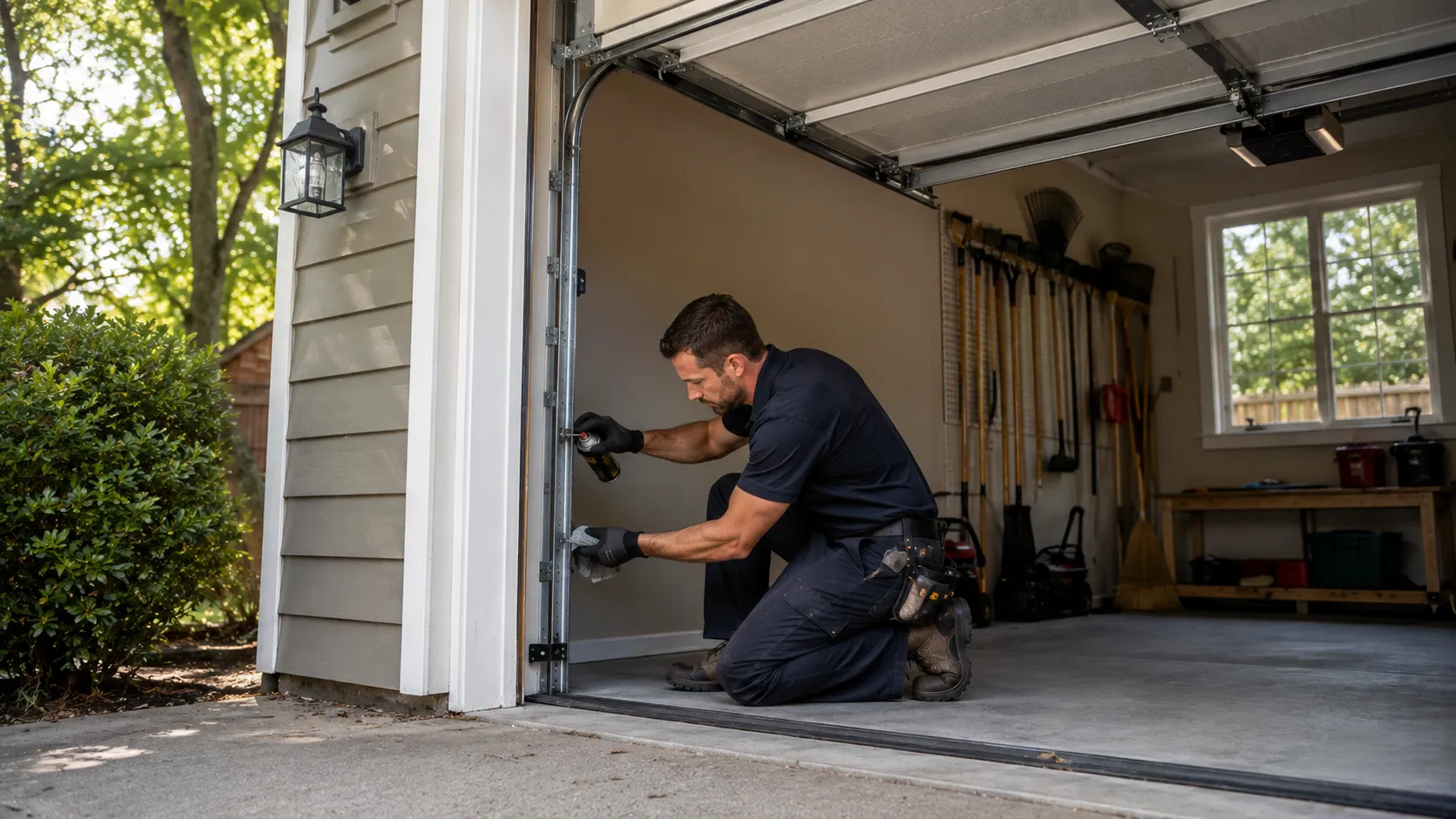
The problem shows up as a spring that goes in cold weather - it lets go on a morning when the metal is tightest and least forgiving, often right when someone's backing out for work. Homes from the earlier end of that 1964-2006 build range, closer to Palisades and Forest Highlands, are more likely to still have original torsion hardware that's simply aged past its rated cycles. Newer builds toward the later part of that window may have upgraded springs, but even those aren't immune once the mercury drops.
A spring under tension that snaps doesn't just stop the door - it can bend track, crack a panel, or drop the door hard if the cables come off the drum at the same time. The failure itself is quick and loud. The buildup to it, the slow loss of flex through a cold week, is the part most owners never notice until the morning it doesn't lift at all.
What to Check
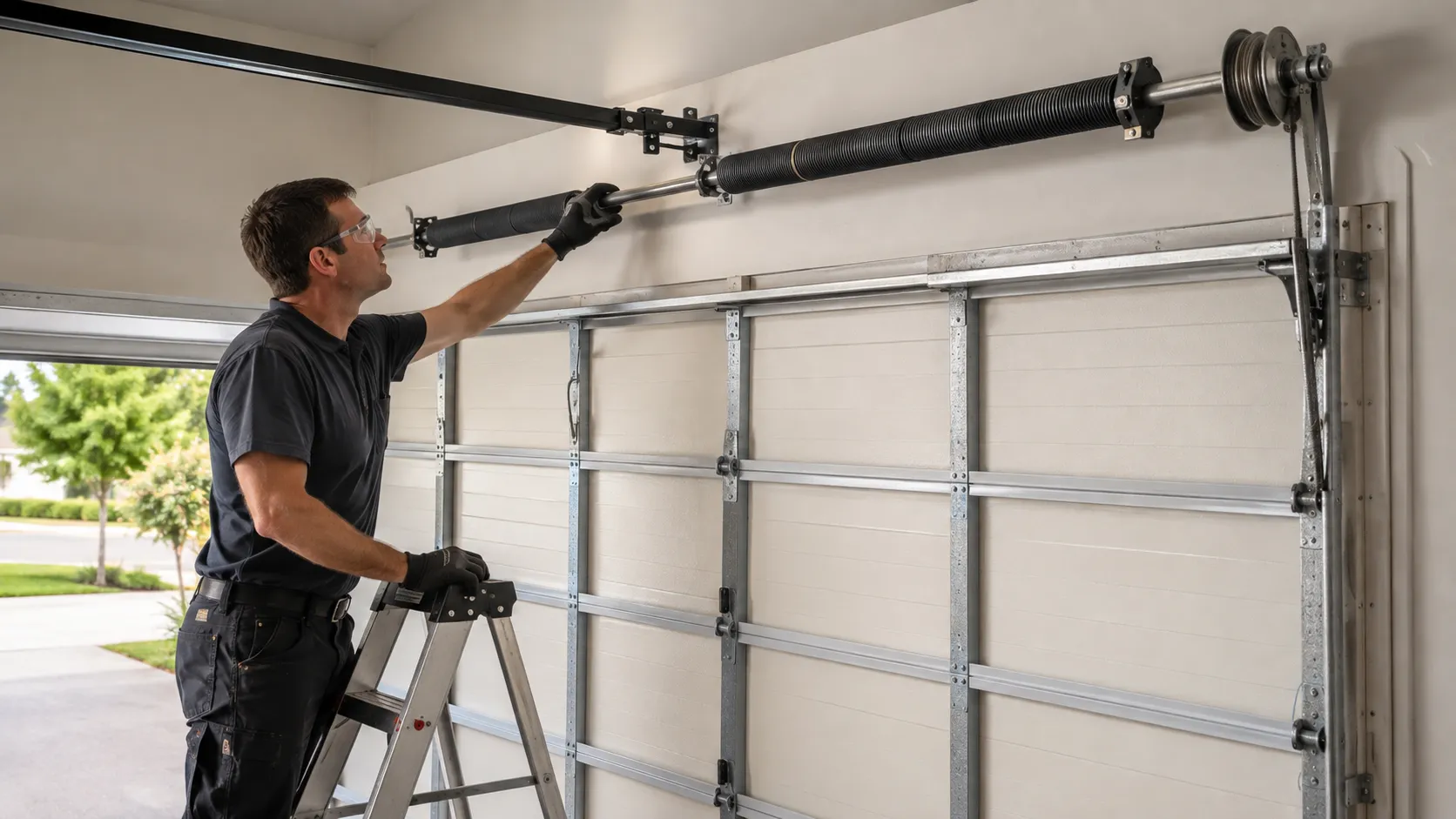
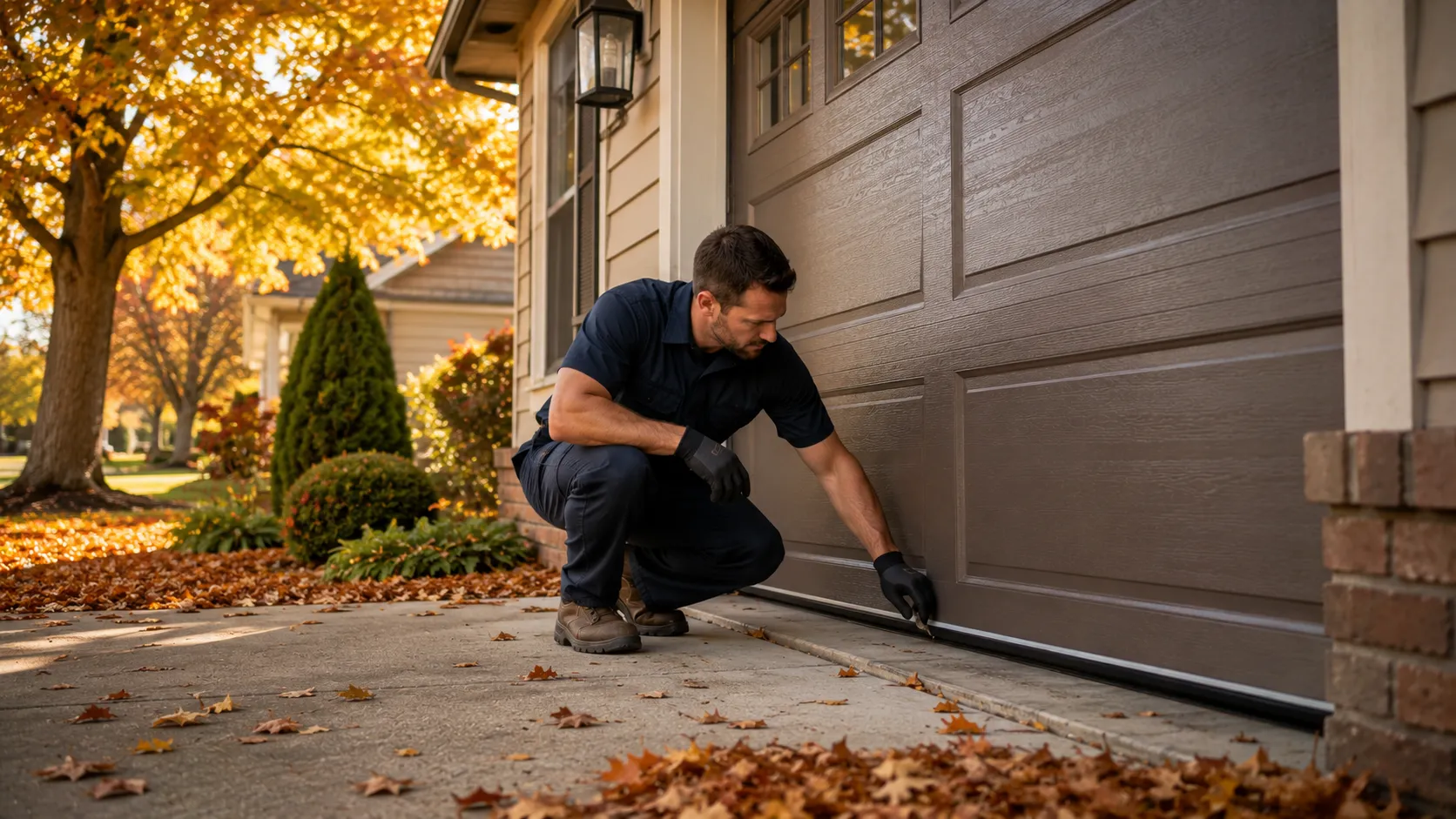
Before you call anyone, look at three things. First, the springs above the door - if one has a visible gap in the coil, it's already broken and the door shouldn't be opened by the automatic opener again until it's replaced. Second, listen for a grinding or catching sound partway up the lift on a cold morning; that's often the first sign a spring is losing tension unevenly rather than failing outright.
Third, check whether the door feels noticeably heavier when you lift it by hand with the opener disconnected - a properly balanced door should stay roughly where you leave it, and one that slams down or shoots up tells you the spring is no longer doing its job. None of this requires tools, just five cold minutes in the garage. If your house is on the older end of the 1964-2006 range and you haven't had the springs looked at, cold-weather symptoms are worth catching before they turn into a snapped spring and a door stuck shut.
Leaving It Alone
Not every stiff cold-morning door needs a same-day service call. If the door still opens and closes smoothly once it's cycled a few times and the noise fades, you're probably just seeing normal cold-weather stiffness in a spring that still has life left. Where we draw the line: if a torsion spring is visibly gapped, if the door drops instead of lowering under control, or if it's stuck at any point in the track, that's not a wait-and-see situation.
We don't recommend running an opener repeatedly against a bound door hoping it'll work itself loose - that's how you turn a spring replacement into a spring-plus-opener replacement. One honest limit on our end: torsion springs sized for older 1960s-70s builds aren't something we always have on the truck, since most of the newer stock in this area uses more common sizing, so a same-day fix on an older home occasionally means a short parts wait.
How We Can Help
Garage Door Repair
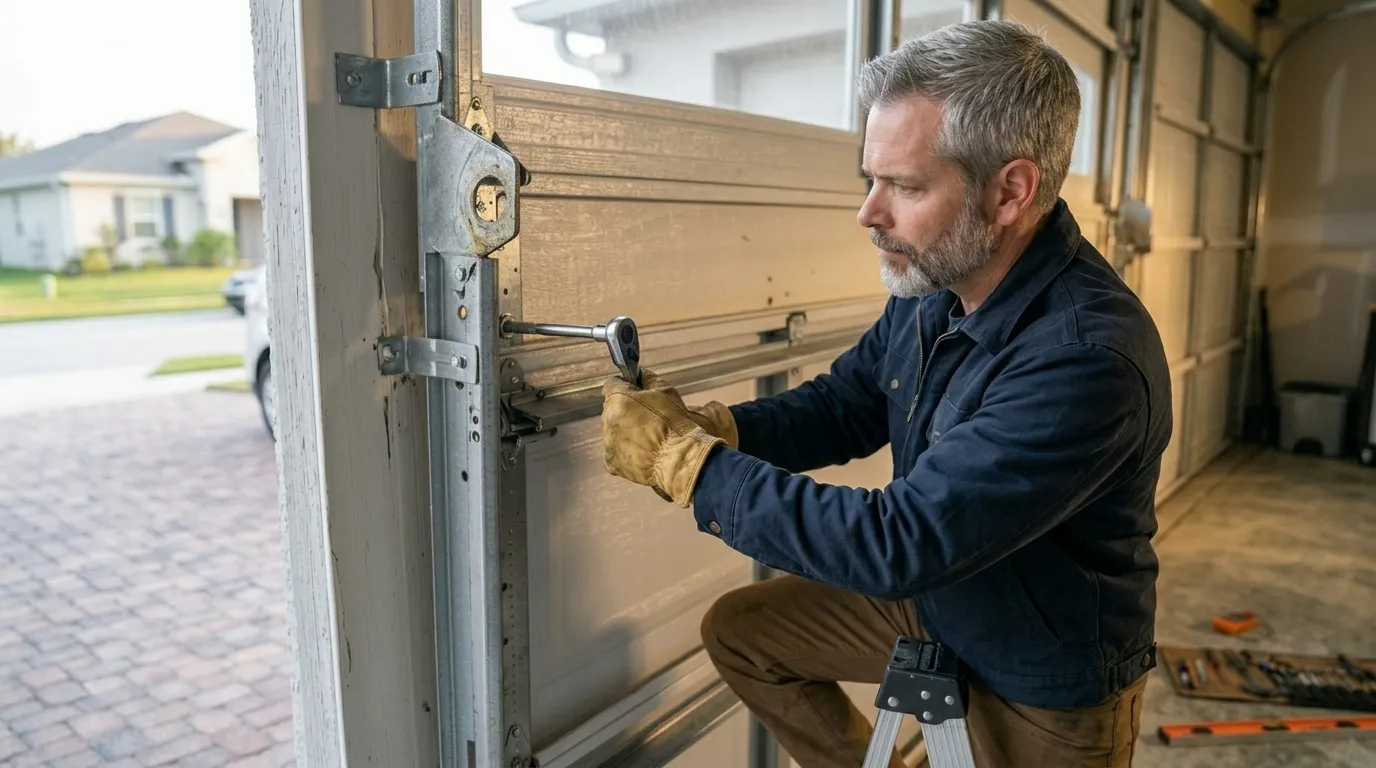
Springs, cables, tracks, rollers, and openers fixed by a tech who explains the problem before touching anything.
Learn more →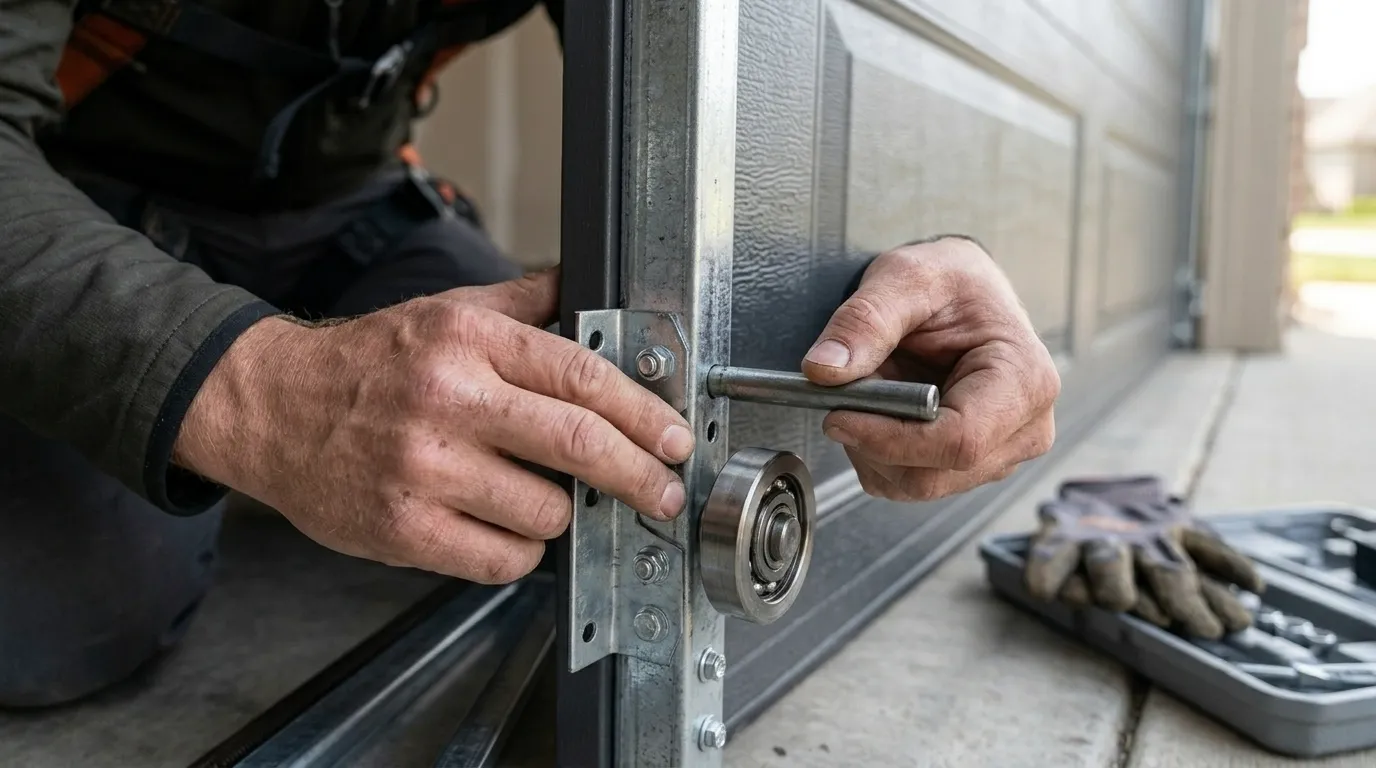
Garage Door Installation
New sectional doors sized and installed for the housing stock actually built in this area.
Learn more →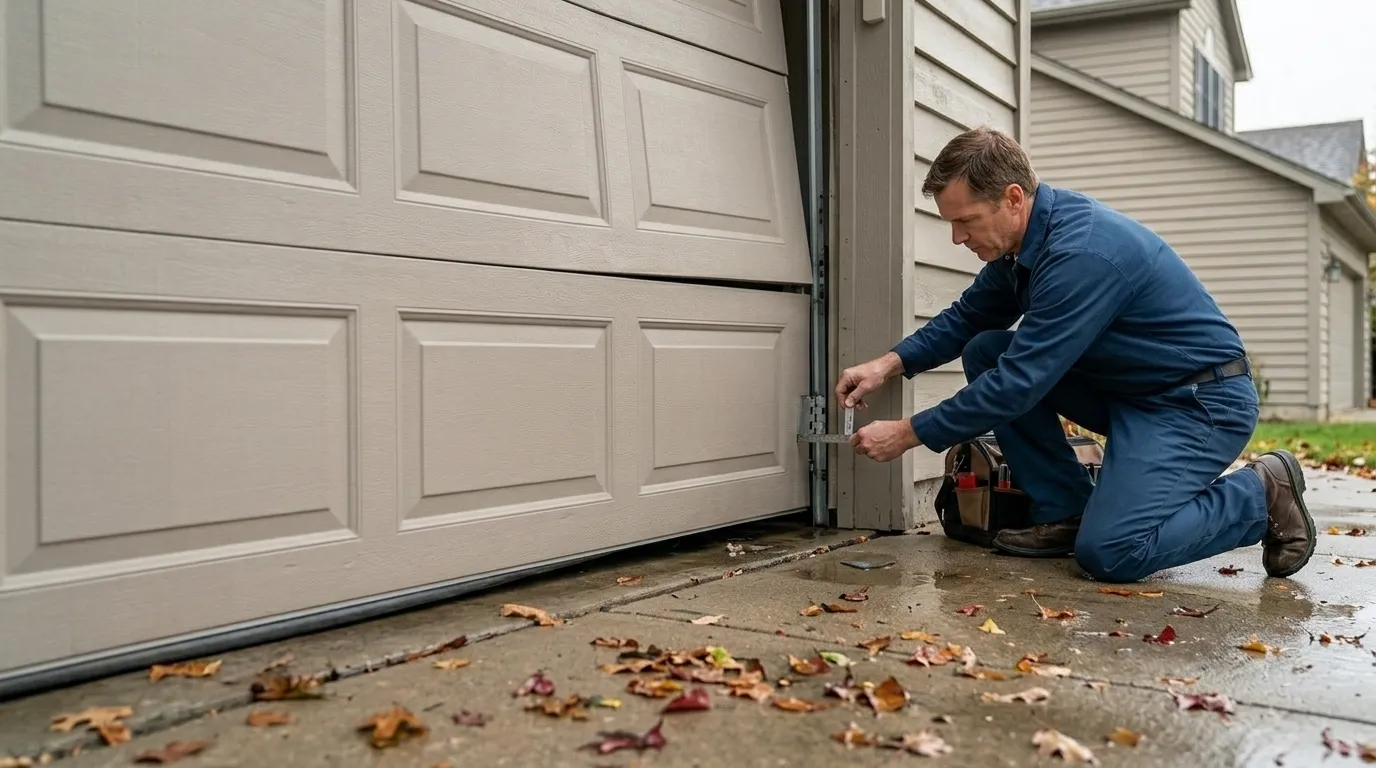
Garage Door Service
Tune-ups, lubrication, and safety checks that catch a small problem before it becomes a service call.
Learn more →Frequently Asked Questions
Why does my garage door spring break more often in winter?
Steel loses flexibility as it gets colder, so a torsion spring that's near the end of its cycle life is far more likely to snap on a cold morning than a mild one. It's not the cold causing new damage so much as it's exposing wear that was already there.
My house was built in the 1980s - should I worry about the original spring?
A lot of homes in this area date to the 1980s and 90s, and torsion springs from that era are well past typical service life. If yours has never been replaced, cold weather is exactly when it's most likely to finally give out.
Is a stiff door in cold weather always a broken spring?
No. Some stiffness on a cold morning is normal and eases once the door cycles a couple times. It's only a real problem if you see a gapped coil, hear grinding, or the door doesn't hold its position when lifted by hand.
Have a Door That Needs a Second Opinion?
Call and describe what it is doing - we will tell you what it likely is.