
Lake Oswego Garage Door Guide
Is Your Lake Oswego Garage Door Worth Repairing, or Should You Replace It
Most Lake Oswego garage doors date to the 1964-2006 building boom. Here's how our cold, wet winters wear on that stock, and when a repair still makes sense.
- Licensed & Insured
- Same-Area Service Calls
- Upfront Pricing
What the Weather Here Does to It
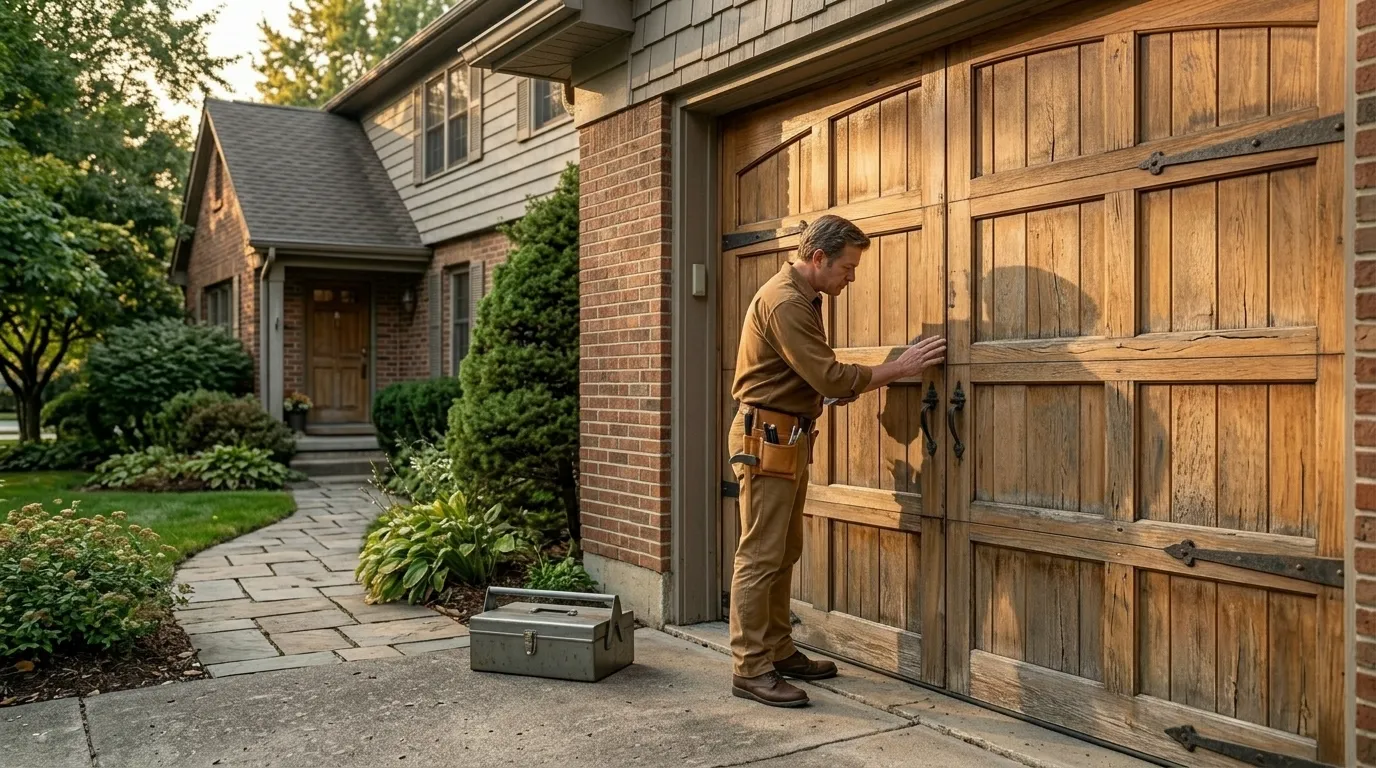
Lake Oswego sits in a cold-moderate climate band, and that combination of cold, damp winters and the swing back to dry summers is hard on hardware more than on the door slab itself. Steel tracks pick up surface rust where condensation sits overnight, torsion springs lose tension faster when they cycle through repeated damp-to-dry stretches, and nylon rollers on older doors crack when the cold makes the material brittle. None of this is dramatic weather - no named storm, no flood event in the record we have - it's just steady, unglamorous wear from a climate that never gets hot enough to fully dry things out between rains.
A door installed in the 1980s, which describes a large share of homes here, has usually been through thirty-plus of these damp winters. That's not a design flaw. It's just what the climate band does to a mechanical assembly with moving steel parts, one winter at a time.
The Problem
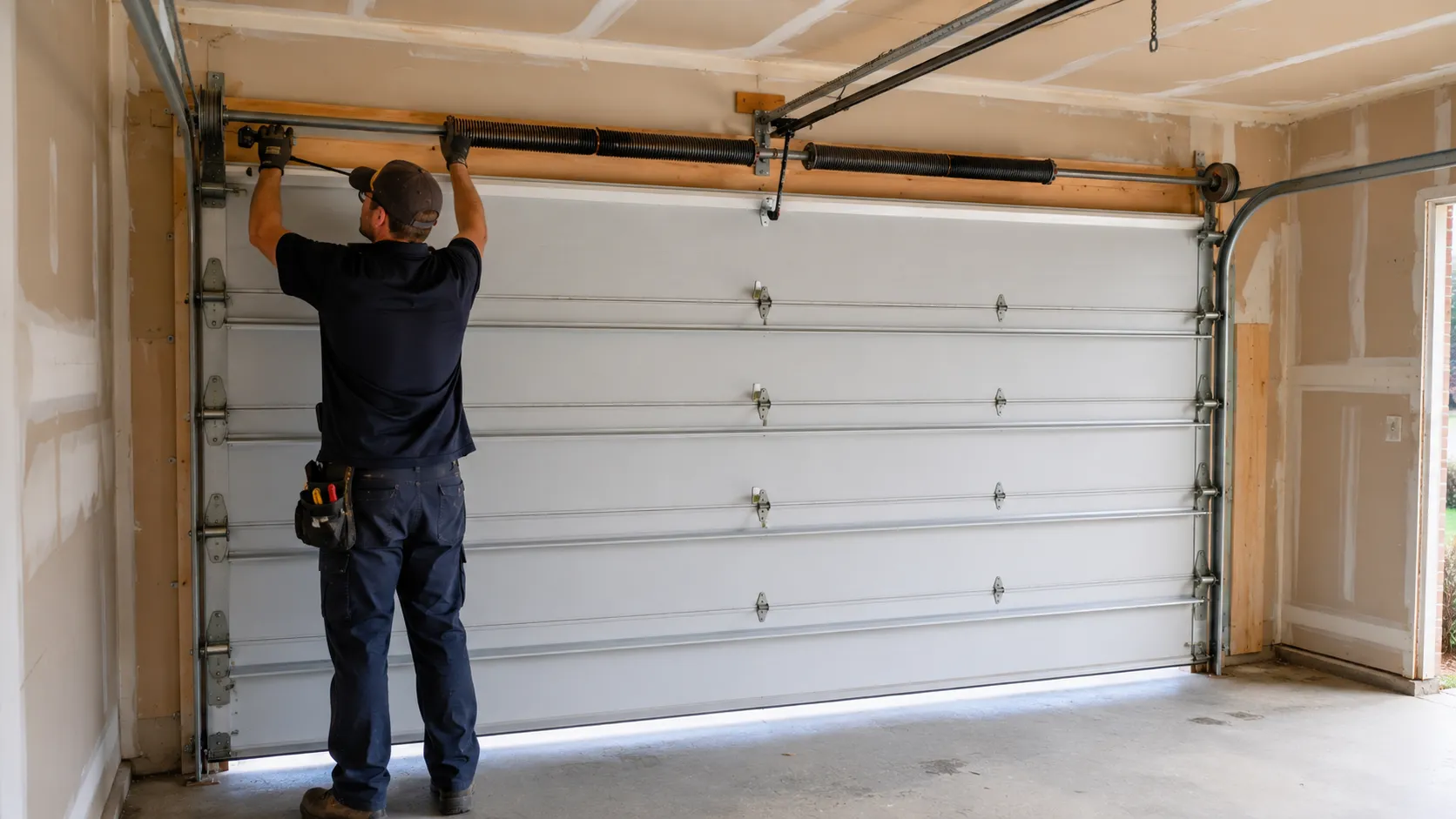
Housing in the area went up mostly between 1964 and 2006, with the median build year landing around 1983, and the bulk of stock across the 34 named communities we track falls into that 1980s-to-90s window. That means a lot of garage doors here are original or close to it - steel sectional doors on torsion hardware sized to specs that changed more than once since installation. The common failure isn't the door panel itself; galvanized steel holds up fine for decades.
It's the parts that cycle: springs, cables, the extension or torsion hardware, and the opener drive gear if one was added later. When a door from that era starts binding or dropping unevenly, you're usually looking at fatigued springs or a bent track, not a door that's structurally done. The panels often outlast two or three sets of springs and at least one opener.
What to Check
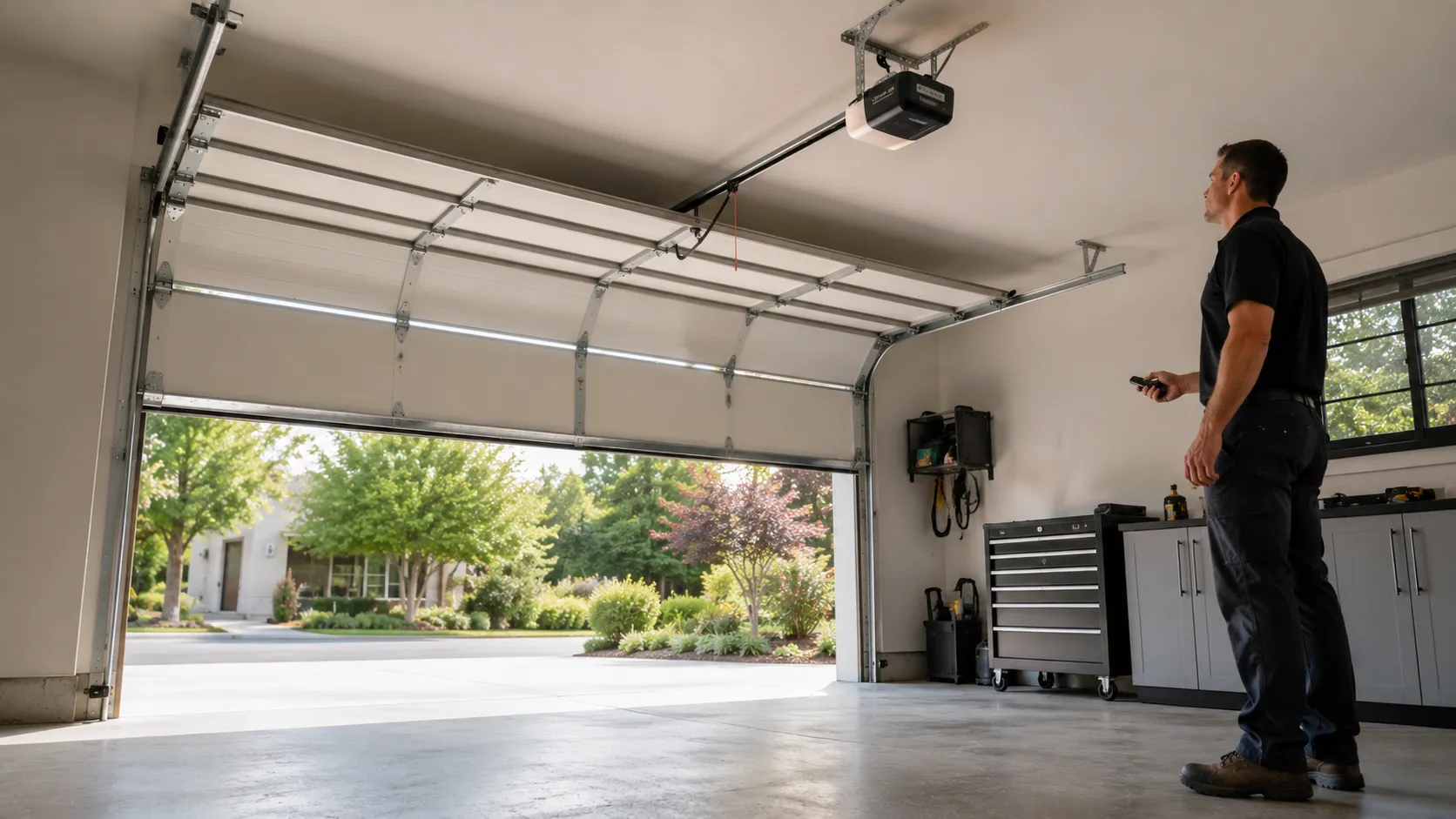
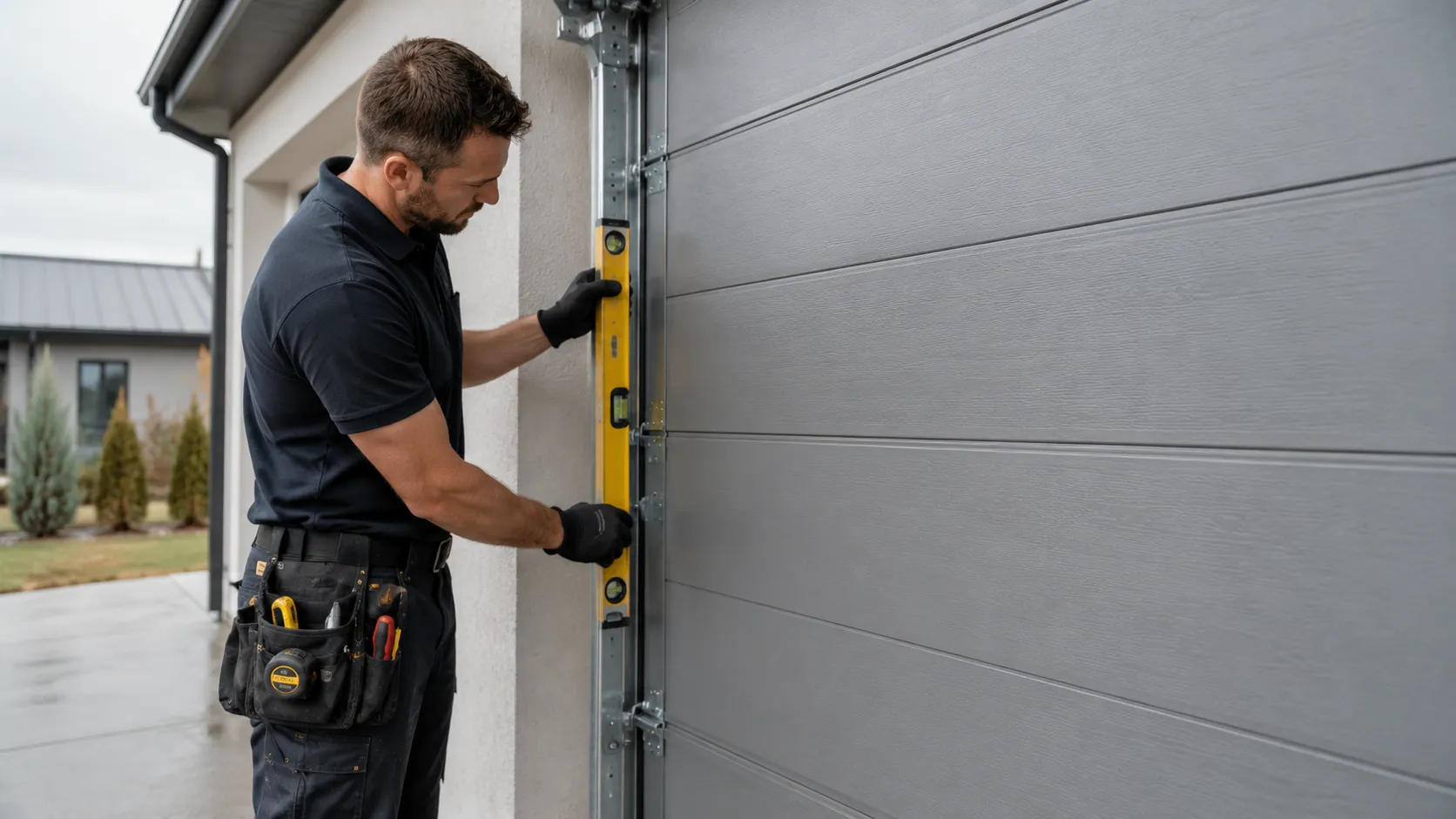
Start with the springs - if the door feels heavier to lift by hand than it used to, or the opener strains and slows partway through the cycle, that's spring fatigue, and it's a repair, not a reason to replace. Check the tracks for rust pitting where they bolt to the framing; surface rust wipes off, pitting means the track's structural life is shortening. Look at the bottom panel and weatherstripping - if the seal's cracked or gapped, cold air and moisture get behind the door and accelerate rust on the bottom rollers and hinges, which is often the first hardware to go on a door from the 1980s-90s window.
Listen for grinding on the rollers themselves; nylon rollers that have gone brittle from repeated cold cycles will sound rough well before they visibly crack. None of these checks require pulling the door apart - most of it is visible from inside the garage with the door down.
Leaving It Alone
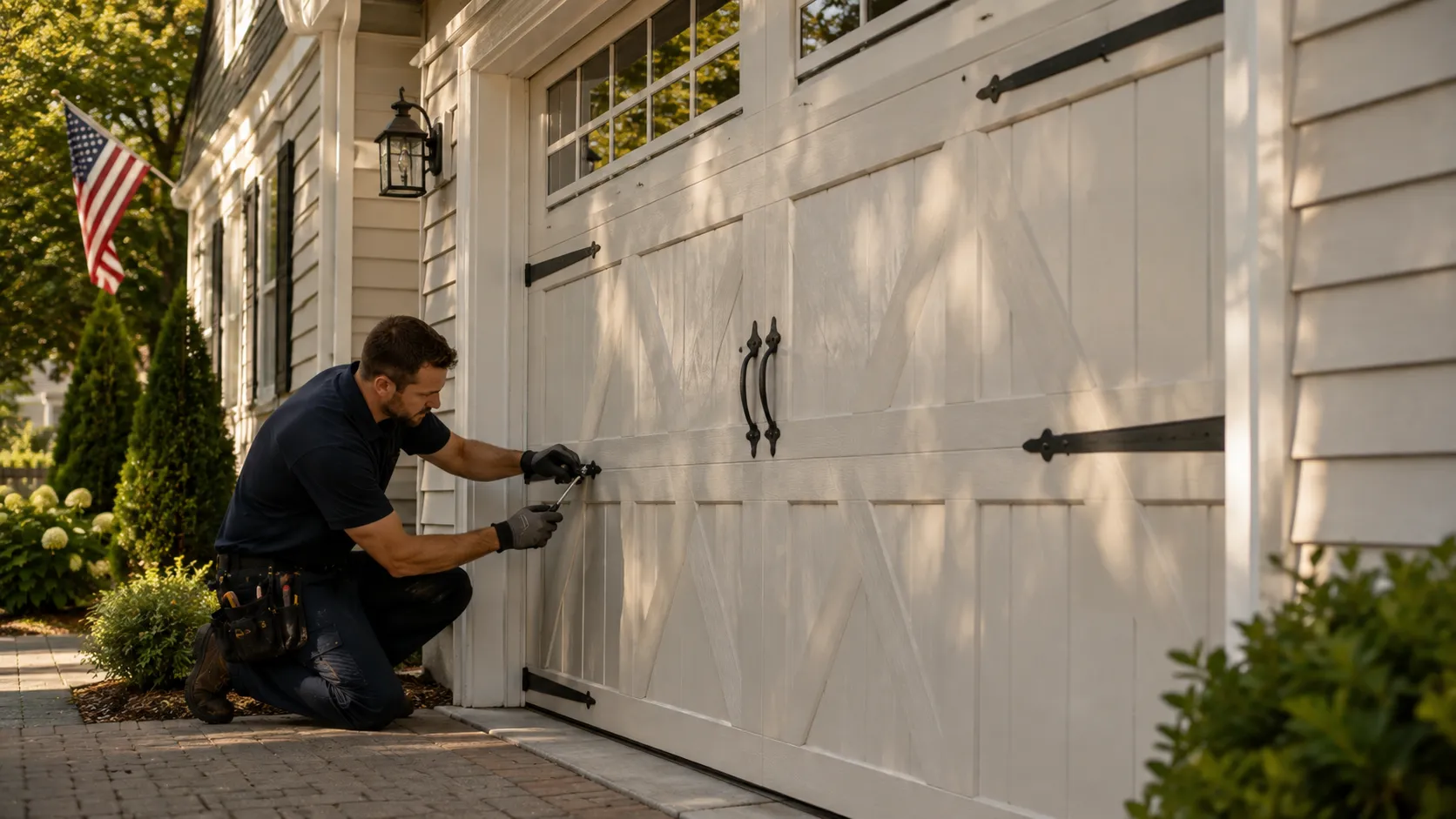
If the door is original to a house built in the 1964-2006 window and the panels are straight, unrusted, and free of dents that have cracked the paint down to bare steel, fixing the springs, track, or rollers is almost always the right call over replacing the whole unit - steel sectional doors from that era were built heavier than a lot of what's sold today. Where replacement makes more sense is when the bottom two panels have rusted through from years of water sitting at the sill, or when the door was resized or modified for an opener that doesn't match the original spring rating - we see that combination on some 1980s builds. One limitation worth saying plainly: we don't stock every obsolete track profile from that era on the truck, and a nonstandard width from a modified opening can mean a short wait on parts.
How We Can Help
Garage Door Repair
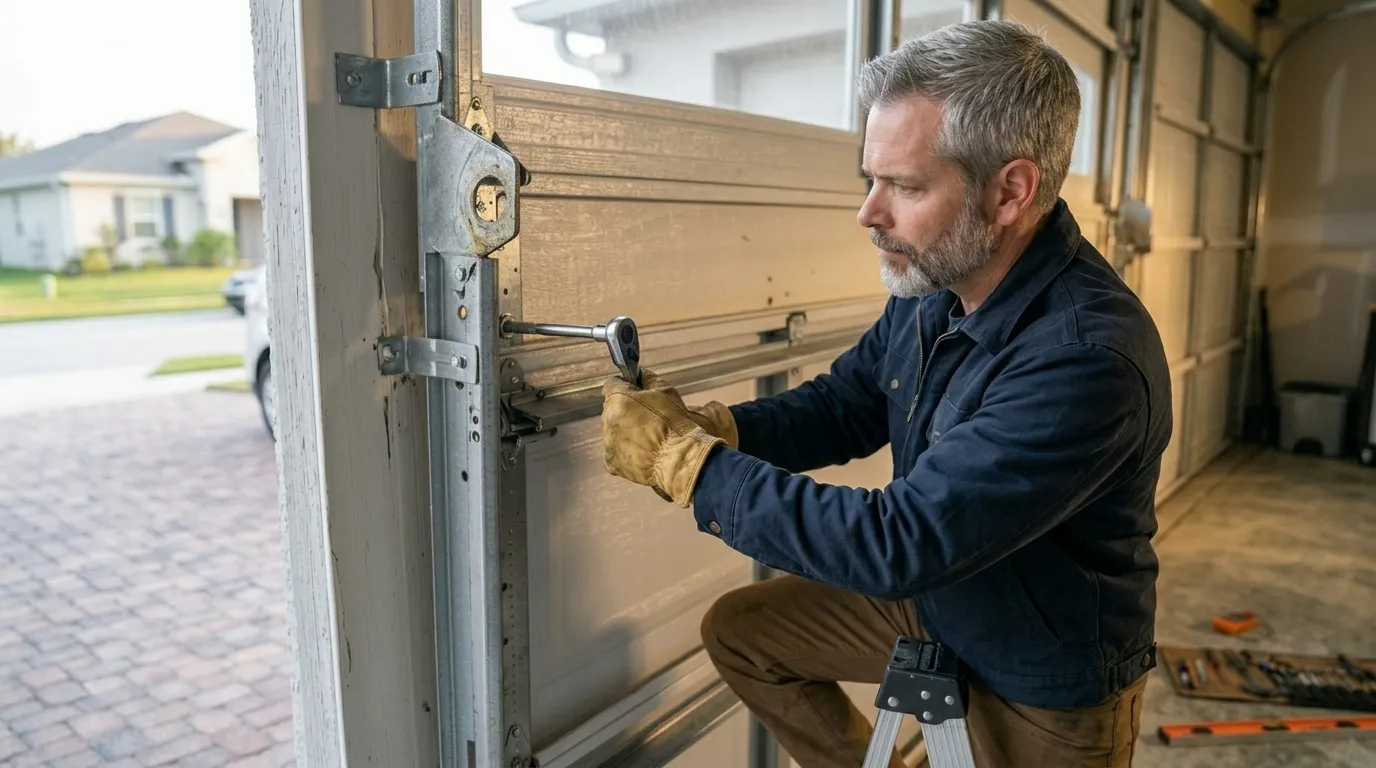
Springs, cables, tracks, rollers, and openers fixed by a tech who explains the problem before touching anything.
Learn more →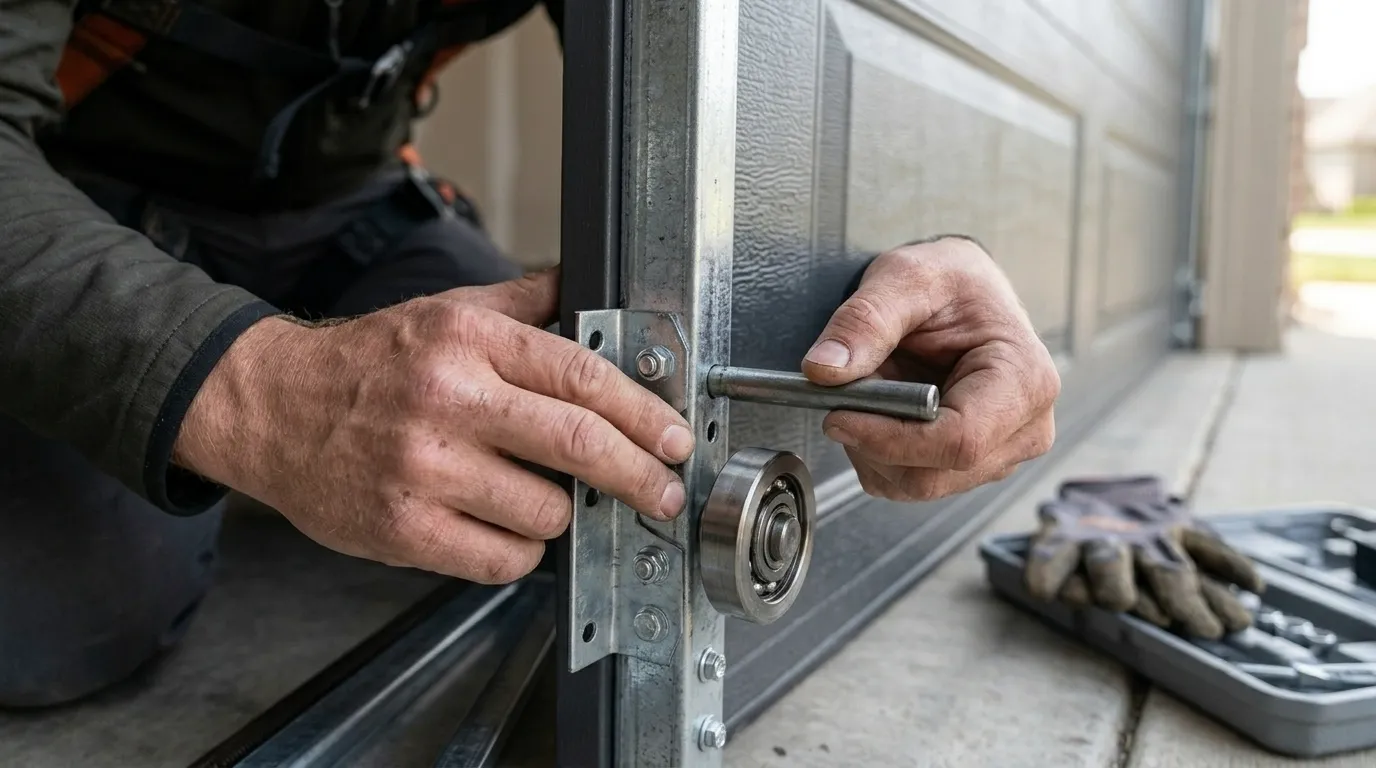
Garage Door Installation
New sectional doors sized and installed for the housing stock actually built in this area.
Learn more →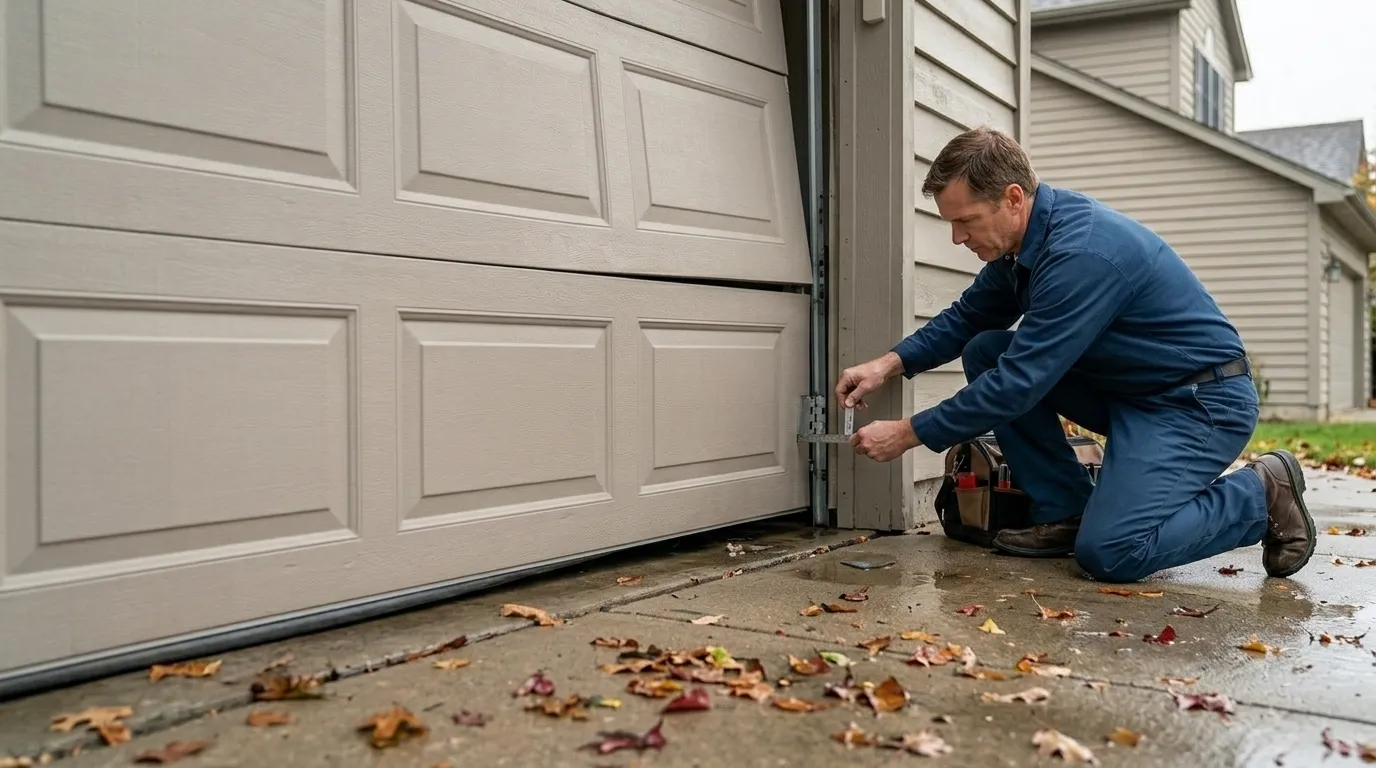
Garage Door Service
Tune-ups, lubrication, and safety checks that catch a small problem before it becomes a service call.
Learn more →Frequently Asked Questions
How do I know if my garage door is original to the house?
If your Lake Oswego home was built in the median era for this area, the mid-1980s, and the door has never been replaced, check the manufacturer label inside the door track or on the end panel. A build date near the house's construction year and hardware that looks period-correct - exposed torsion spring, no keypad wiring - are good signs it's original.
Is it worth fixing a 1980s door instead of replacing it?
Usually yes, if the panels are straight and rust-free. Steel sectional doors from that build era tend to be heavier gauge than current entry-level replacements, and the failure points - springs, cables, rollers - are all repairable parts, not reasons to junk a sound door.
Why does my door feel harder to lift in winter?
Cold makes lubricant thicken and nylon rollers stiffen, and if the springs were already fatigued from age, winter is when that shows up. It's a common complaint on older doors in this climate band and almost always a spring or roller issue, not a sign the door itself is failing.
Have a Door That Needs a Second Opinion?
Call and describe what it is doing - we will tell you what it likely is.