
Lake Oswego Garage Door Guide
What We Check First on a Lake Oswego Garage Door
A look at why Lake Oswego's 1964-2006 housing stock and cold-moderate climate put specific wear on garage door springs, tracks, and seals before anything else fails.
- Licensed & Insured
- Same-Area Service Calls
- Upfront Pricing
What the Weather Here Does to It
Lake Oswego sits in a cold-moderate climate band, which means the door isn't fighting extreme heat or deep freeze most of the year - it's fighting the swing between the two, over and over, through a wet winter. That cycling is harder on steel and springs than a flat cold snap would be. A torsion spring loses tension gradually with every wind-up and release, and repeated damp-cold-damp cycles speed that fatigue along faster than a dry climate would.
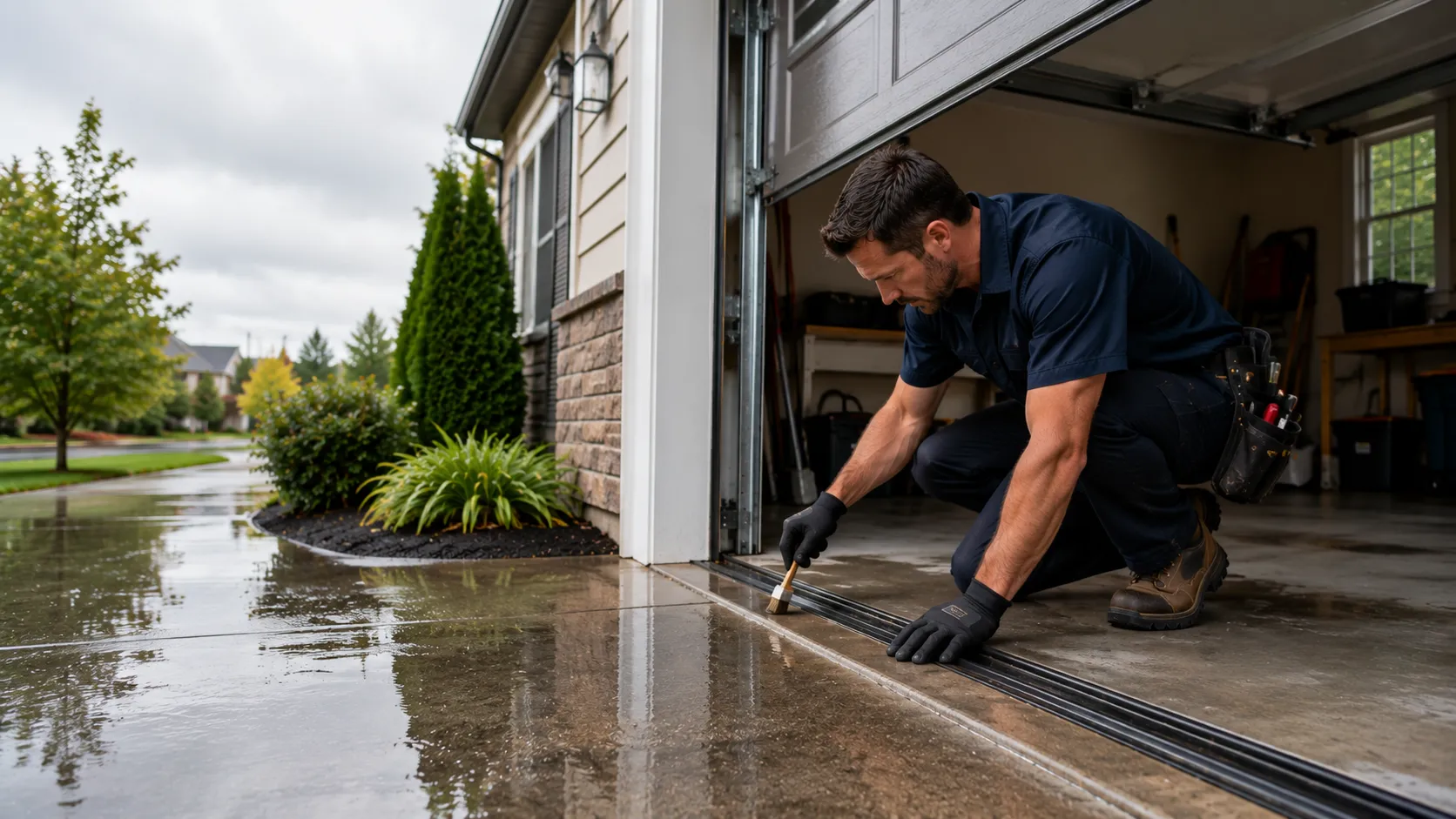
Moisture is the other half of it. Condensation forms on cold steel track and on the inside face of an uninsulated panel overnight, then sits there.
On a door with any age on it, that's where rust starts - not on the outside face people wipe down, but on the inside of the track and the bottom few inches of panel where water pools after it runs down. We don't get hail or wind events severe enough to dent panels outright here, so when a door looks bad it's almost always corrosion and fatigue working from the inside, slowly, not a single storm event.
The Problem
Housing around Lake Oswego mostly went up between 1964 and 2006, with the typical build year sitting at 1983, and most of it is 1980s-90s stock. That matters because a door installed in that window was speced for a lighter panel than what's common now. A lot of owners have swapped in a heavier insulated replacement door over the years without upgrading the spring that lifts it, or without touching the original galvanized track and drum hardware underneath.
So the failure pattern we see isn't random - it's a door running original 1980s-era hardware under a load it wasn't wound for, in a climate that's been quietly rusting the track and fatiguing the spring for decades. The opener usually isn't the first thing to go. It's the spring, and right behind it the rollers and the bottom seal, because those are the parts absorbing the daily cycle stress and the standing moisture.
What to Check
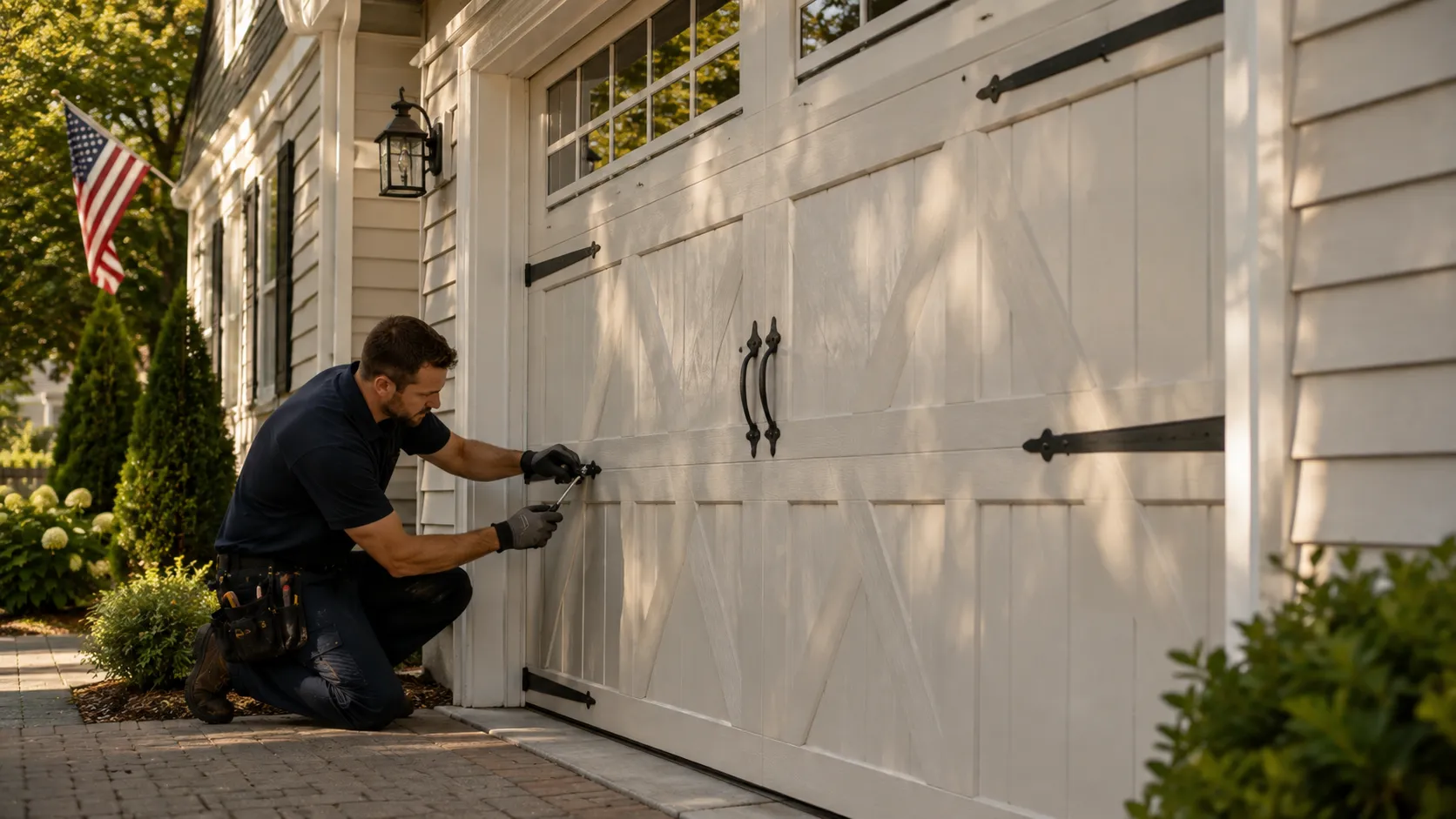
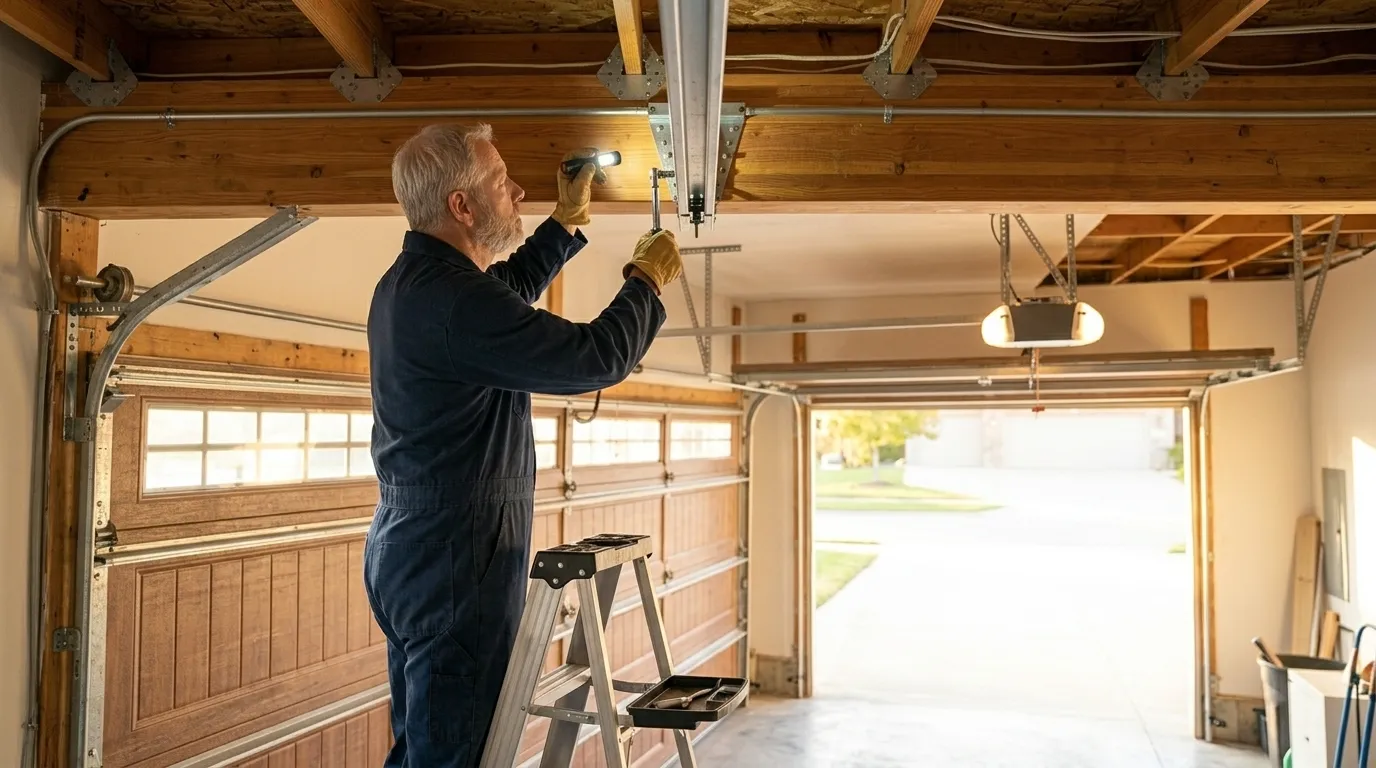
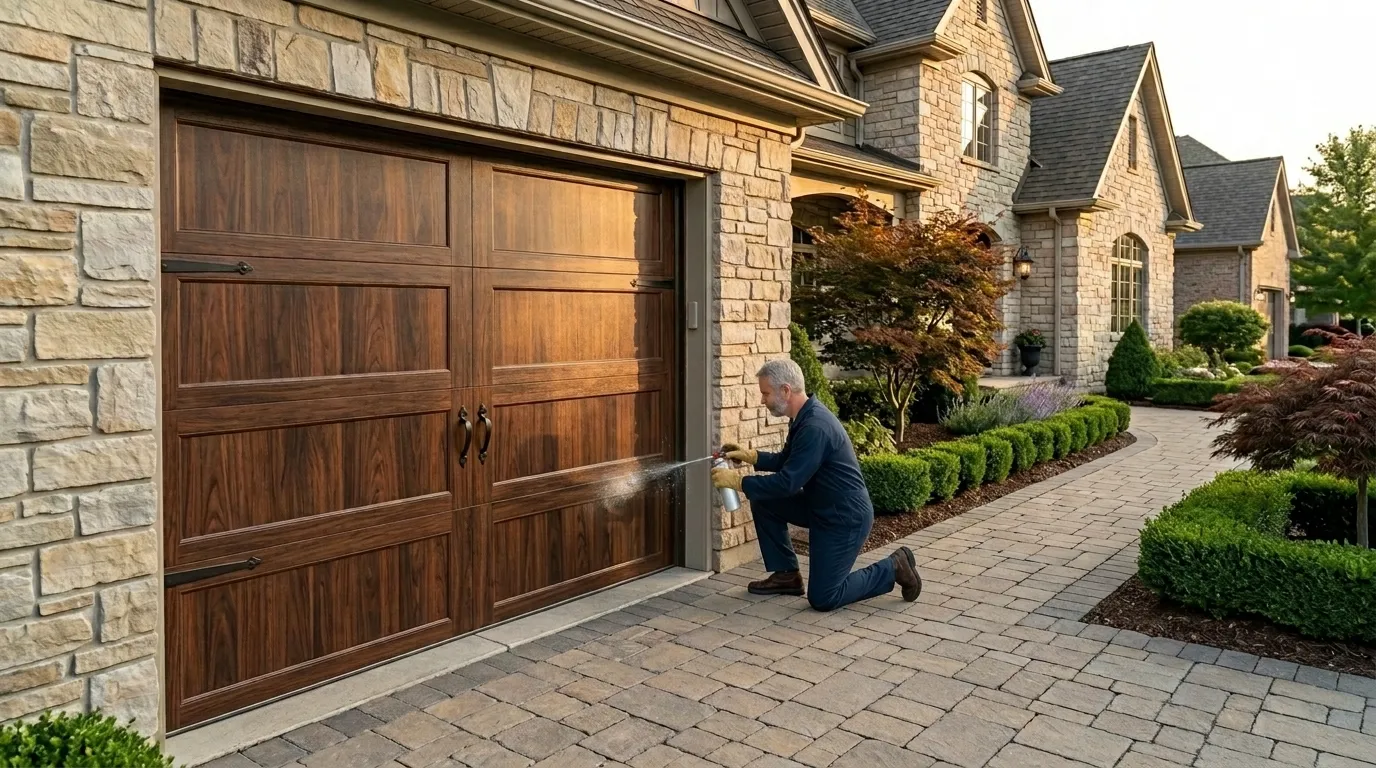
First, the spring: we count coil gap and check for the flat spots or rust pitting that show fatigue before a full break. On a door original to a 1980s build, that spring has done tens of thousands of cycles already. Second, the track - we're looking for rust at the base rail and horizontal section, since that's where condensation collects overnight, and for bends where the track has pulled loose from age in the mounting brackets.
Third, rollers and hinges. Original steel rollers on older Lake Oswego doors are usually the first hardware to seize or crack, since they take the direct load every open and close.
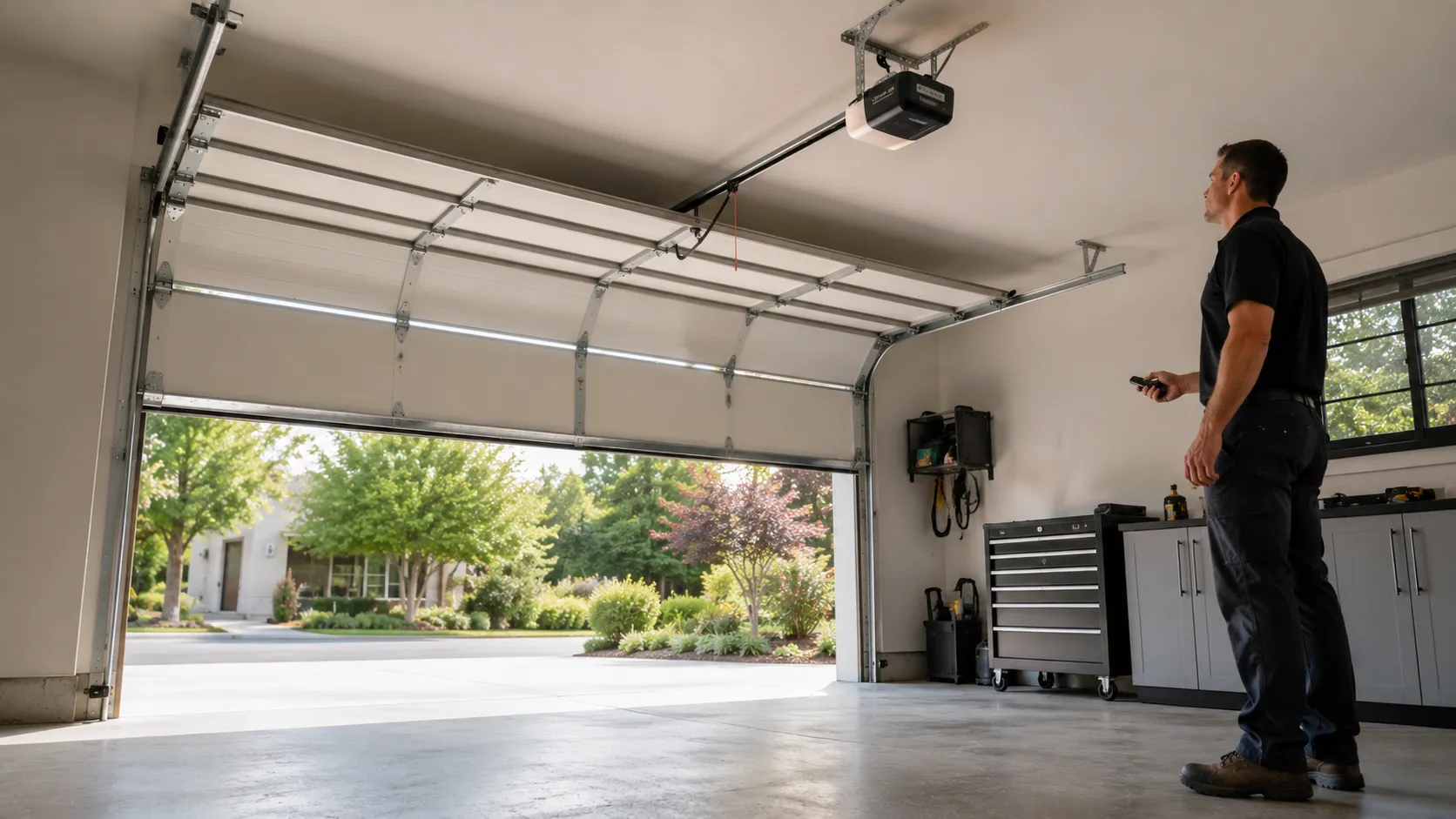
Fourth, the bottom seal - on a house from this era, a worn or split seal is usually why water and cold air are getting in, not a gap in the panel itself. Last, we check the opener's force setting against the door's actual weight, especially if a heavier replacement panel went on at some point without a spring adjustment to match.
Leaving It Alone
Here's the honest part: not every older door is worth fixing. If a door built in that 1964-2006 window has rust through the bottom panel and a track that's been rebent more than once, putting a new spring on it is throwing good money after a door that's going to need replacing within a year or two anyway. We'll tell you that straight instead of doing the repair.
On the other hand, a lot of what looks like a dying door in Lake Oswego is really just a spring that's fatigued from age and cycle count, with sound track and panel underneath. That's a real repair, not a stall tactic to sell a new door. The difference usually shows up in the first five minutes of the inspection - rust pattern, coil condition, how the track sits in the bracket - which is why we check those before touching the opener or anything electronic.
How We Can Help
Garage Door Repair
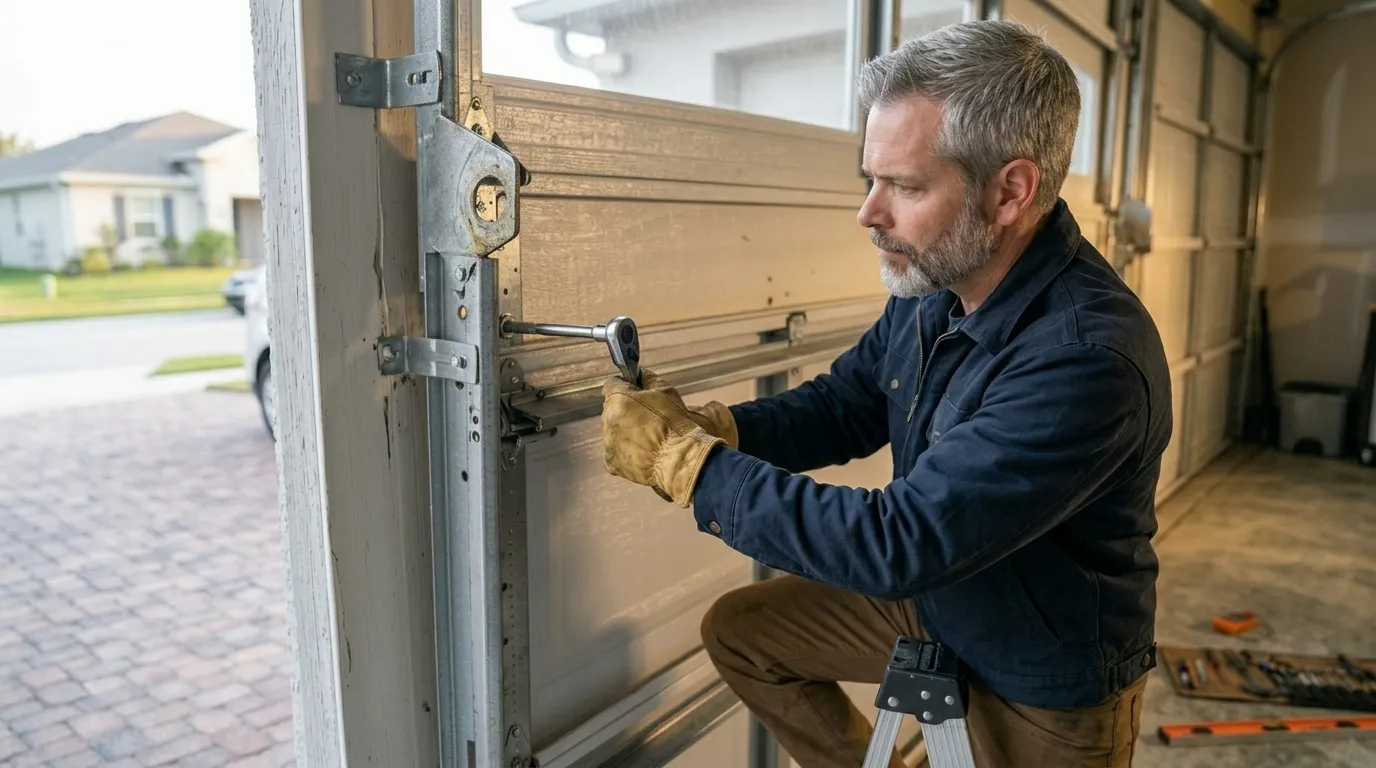
Springs, cables, tracks, rollers, and openers fixed by a tech who explains the problem before touching anything.
Learn more →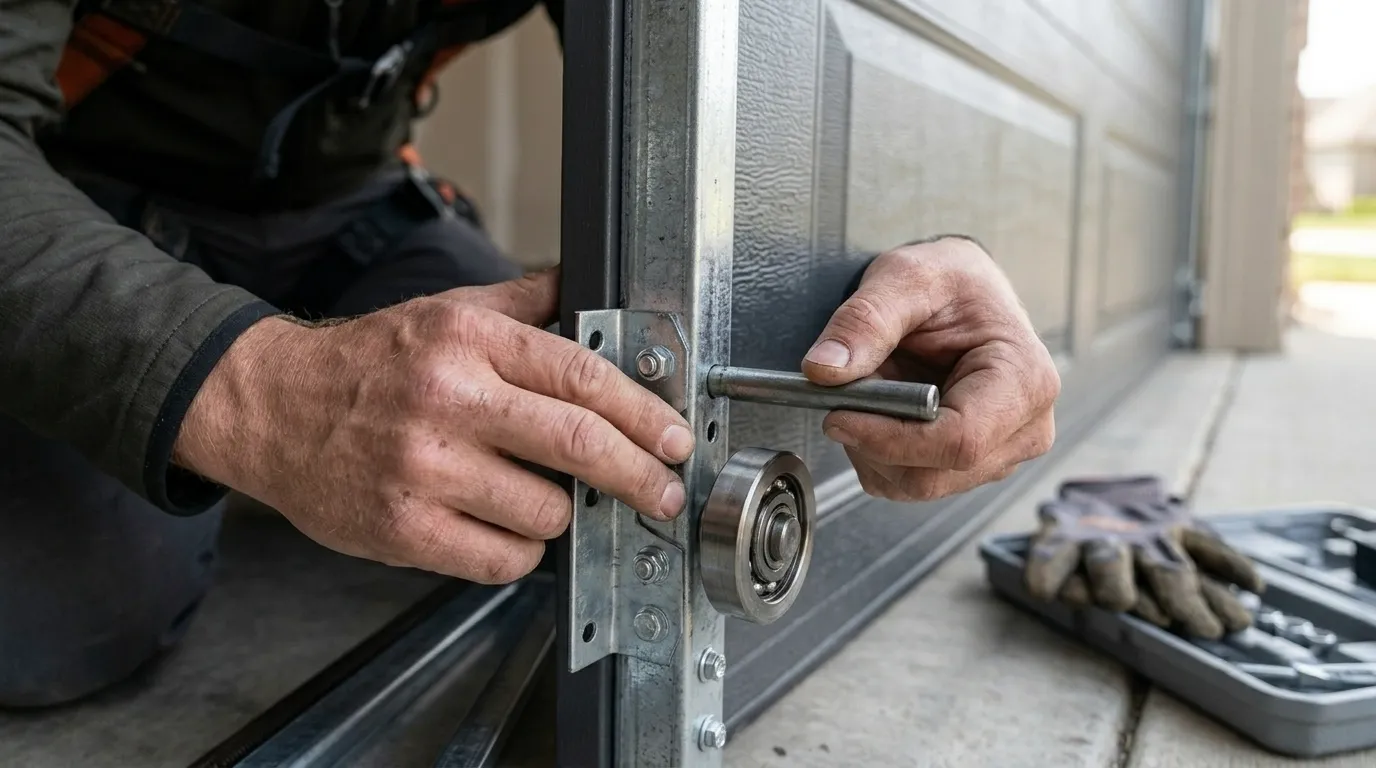
Garage Door Installation
New sectional doors sized and installed for the housing stock actually built in this area.
Learn more →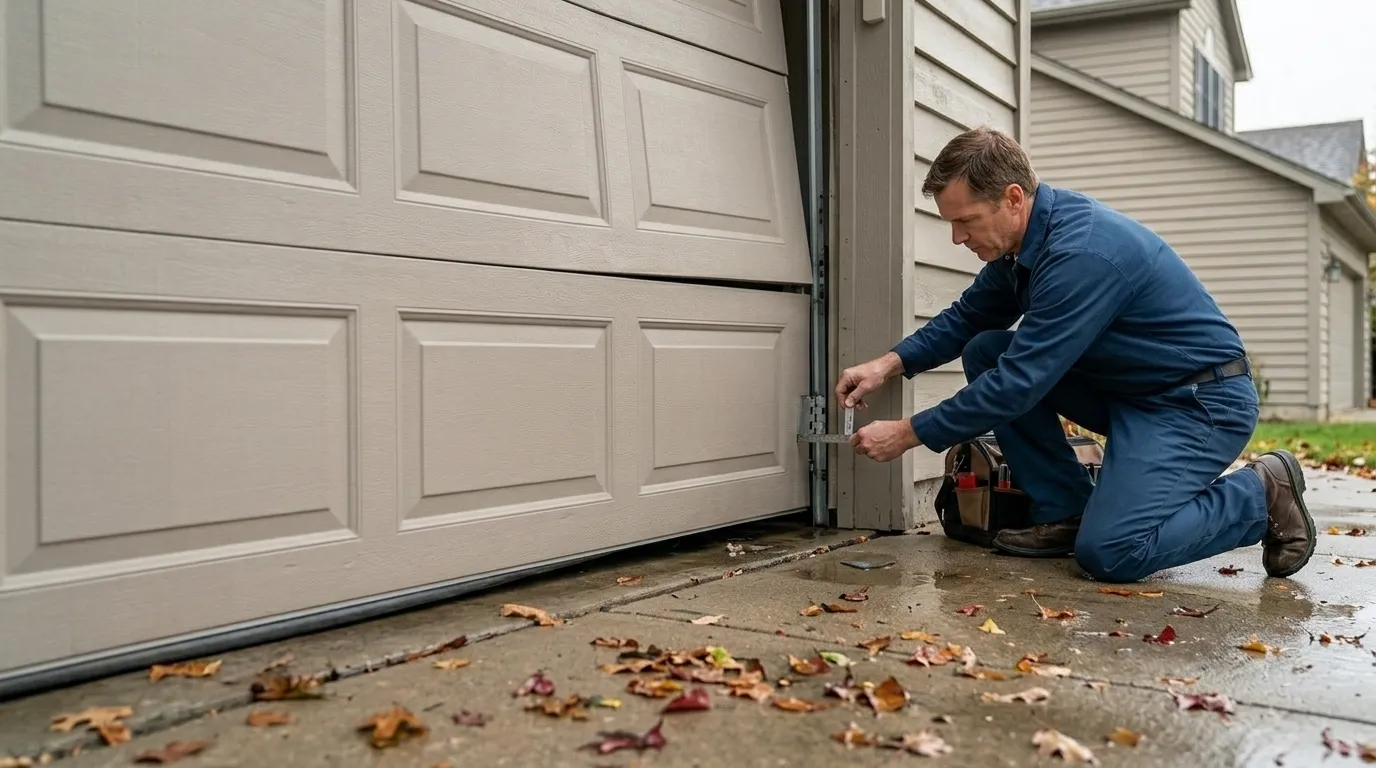
Garage Door Service
Tune-ups, lubrication, and safety checks that catch a small problem before it becomes a service call.
Learn more →Frequently Asked Questions
Why does my garage door spring keep failing even though I replaced it a few years ago?
If your house is part of the 1980s-90s stock common around Lake Oswego, the spring installed back then may have been speced for the original lighter panel. If the door itself was swapped for a heavier insulated model later without a spring adjustment, the new spring gets overloaded and fatigues faster than it should.
Is rust on my track something to worry about?
It depends on where it is. Surface rust on the outside face of the track is mostly cosmetic. Rust at the base rail or where the horizontal track meets the wall, from years of condensation pooling in our cold-moderate climate, is more serious and usually means the track needs replacing, not just cleaning.
My door is original to a house built in the early 80s - is it worth repairing?
Sometimes. A door that age can have sound panels and track with just a fatigued spring, which is a straightforward fix. But if there's rust through the panel base or the track has been rebent from age, replacement usually makes more sense than repeated repairs.
Have a Door That Needs a Second Opinion?
Call and describe what it is doing - we will tell you what it likely is.